
No Comments

Melbourne stage four: Should you buy property during lockdown?

A stage four COVID-19 restriction that has banned househunters from physically inspecting Melbourne properties has made the lockdown period a difficult time for buying.

But there’s still plenty those looking for a new home can do to prepare for the market’s expected revival in spring.

Real Estate Buyers Agents Association president Cate Bakos warned buyers to tread carefully when navigating a market in which auctions and home inspections could only be carried out online.

RELATED: How stage four lockdown will affect real estate, inspections, auctions

Real estate industry scores ‘small wins’ amid stage four restrictions

Can you move house during stage four lockdown?

Auction pic

Residential property auctions and inspections can only be conducted online under the stage four restrictions. Picture: Andrew Henshaw

Ms Bakos gave the green light for those who had physically inspected properties prior to lockdown to proceed with purchases, noting they may even “get a good deal” given vendors would likely be motivated to sell.

But she said “for everyone else, now is not the time to start trying to buy sight-unseen”.

“(A home) might look good in the video and photographs, but properties can feel very different in the flesh,” Ms Bakos said.

“All things going well, it’s six weeks (in lockdown). This is traditionally one of the quietest months of the year anyway.

“Buyers need to keep that in perspective and use this time wisely to be purchase ready.”

She advised budding buyers to use lockdown to obtain pre-approval for a loan so they were ready to go when the market resumed.

They should also study sales of comparable properties in their target suburbs to familiarise themselves with average prices, and form relationships with real estate agents who would “have a lot of spare time right now”.

“Investors can also start chatting to property managers in the area they’re circling to get information about what local tenants want from a home,” she said.

Buyer’s advocate Cate Bakos has warned against purchasing properties sight-unseen.

Would-be buyers should also note the Victorian Government has confirmed services relating to property settlements and moving are permitted under the stage four restrictions — but only for those who have already arranged to do so during lockdown, which is due to end September 13.

The Herald Sun is still seeking clarity over whether this applies to people who haven’t already made commitments.

Buxton Mentone director Matthew Cox said he rarely sold homes to buyers who hadn’t physically inspected them.

But he expected “a lot of traffic online over the six weeks, from people with little else to do but look at property”.

“In this way, we are hoping to build a bank of buyers up so we have a market there when we come back,” he said.

Wakelin Property Advisory director Jarrod McCabe said the 2020 spring selling season could be the most consistent in years, with usual interruptions like the AFL Grand Final and Spring Racing Carnival less likely to impact weekly auction volumes.

“Hopefully supply (of homes on the market) will pick up once we can conduct public auctions again,” he said.

MORE: The Melbourne property market stage four won’t stop

Online auction flurry as full Melbourne lockdown hits

Victorian tenants short changed on COVID-19 rent reductions

samantha.landy@news.com.au

The post Melbourne stage four: Should you buy property during lockdown? appeared first on realestate.com.au.
No Comments

Melbourne’s wannabe top suburbs that can save buyers millions

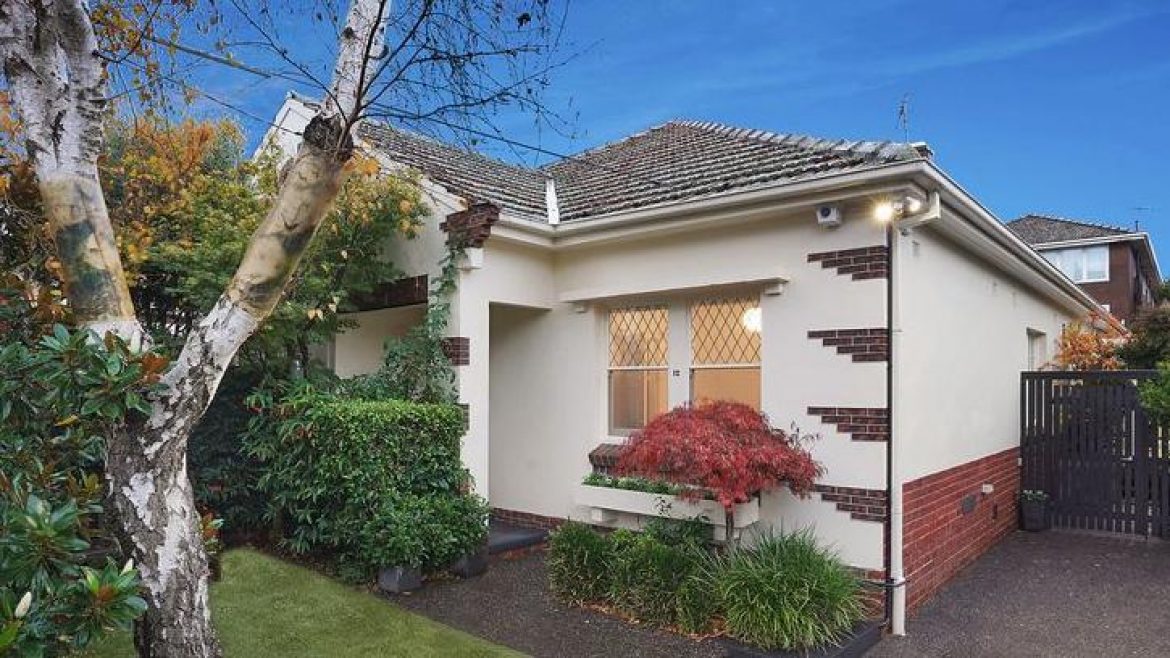
12 Hammerdale Ave, St Kilda East will cost you more than a comparable home in the once higher priced St Kilda next door.

Melbourne homebuyers are saving six and seven-figure sums buying in wannabe suburbs next door to some of the city’s most sought-after patches.

And experts have revealed that the “smart strategy” not only puts you a short trip to everything you loved about a pricier postcode, but it can also make you more money in the long run.

Advantage Property Consulting director Frank Valentic said five years ago St Kilda East was the poor cousin to St Kilda.

RELATED: Richmond ‘cashmere’ house smashes price expectations

Melbourne stage four: Real estate industry scores ‘small wins’

Melbourne stage four restrictions: Can you move house in lockdown?

Today the one-time wannabe’s typical house is worth $1,527,750, while the once pricier neighbour has a $1.464m median price.

“It can be a really smart strategy as you get much better bang for your buck,” Mr Valentic said.

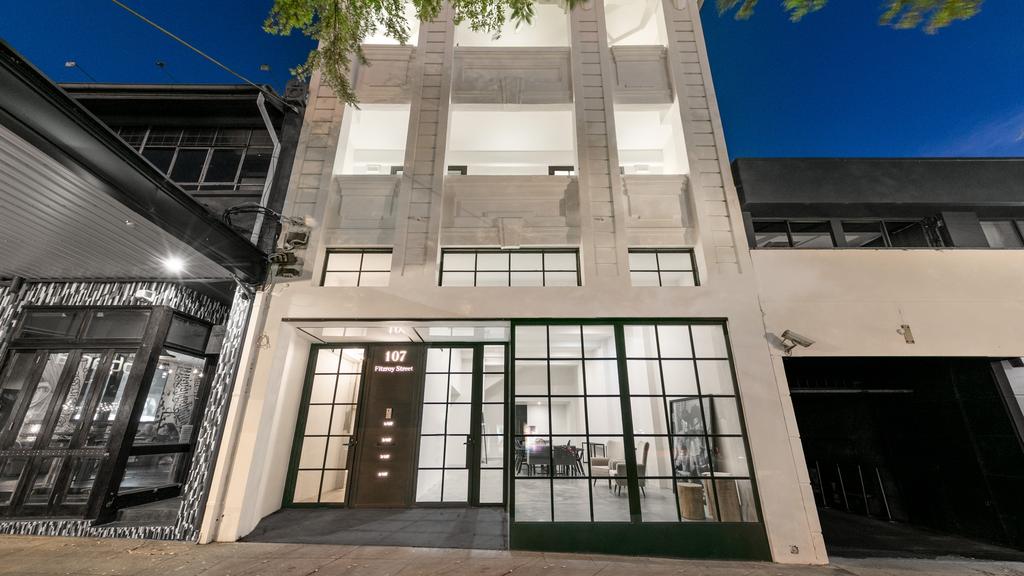
Though there are some very in demand homes in St Kilda, like 107 Fitzroy Street.

His research indicates premium suburb prices move at different speeds to their more affordable neighbours and while in the past decade a generally rising market had favoured the dream postcodes, their neighbours could soon be gaining value faster as affordability becomes a greater concern due to COVID-19.

Further benefits of the wannabe suburbs often included less traffic and better off-street parking, particularly for inner Melbourne.

New figures from realestate.com.au reveal the biggest gaps in the market, including a $4,357,500 median house price in Toorak that dwarfs the typical $1.285 million paid for a house in Richmond just across the Yarra River.

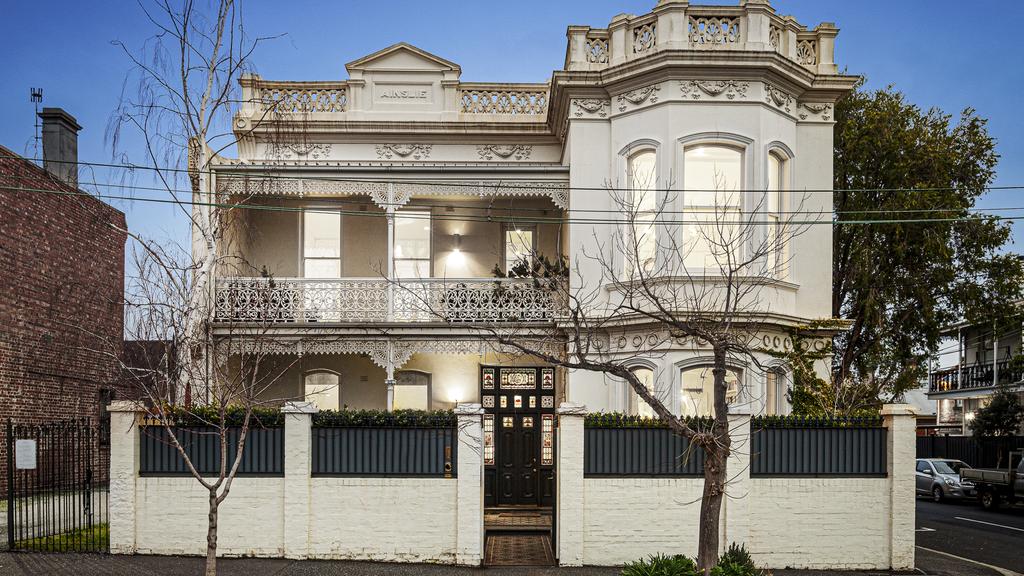
10 Erin Street, Richmond has a lower price tag than you’d pay for a typical home in Toorak.

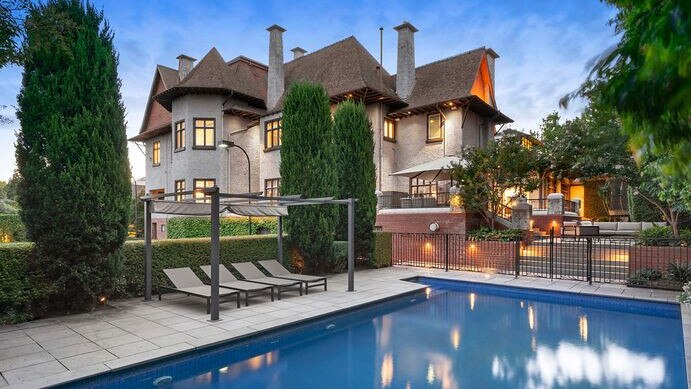
224 Kooyong Road, Toorak shows the kind of lavish residence you’d expect in Melbourne’s highest priced suburb.

The biggest gap between two neighbouring suburbs by percentage was between Tootgarook’s $600,000 median house price and the $2.3m paid for an average home in Portsea. Richmond and Toorak were next, followed by Heidelberg West’s $637,500 median home price and Eaglemont’s $1.68m figure.

Burwood is 122 per cent cheaper than Canterbury at $1.255m, and Abbotsford is less than half the price of $2,342,500 of Hawthorn across the Yarra River.

Units are just as likely to see heavy discounts a single suburb away. Carlton heads the list at $312,000, which is well below Fitzroy’s $770,000 median, while a $400,000 typical offering in Notting Hill is less than half the $940,000 you pay in Mount Waverley.

You’re also hundreds of thousands of dollars better off buying a unit in Doncaster than Balwyn North, Albion than Braybrook and Box Hill instead of Balwyn.

Realestate.com.au chief economist Nerida Conisbee said most of the larger gaps were linked to beach access, block sizes and physical geography such as hills offering views.

However, some of the suburbs might soon challenge a pricier neighbour.

“Abbotsford potentially might push closer (to Hawthorn), it’s very popular with young people,” Ms Conisbee said.

“(And) sometimes suburbs can seem vastly different but because preferences change they become far more desirable.”

Local school zones have played a role in the prices paid for homes like 5 Wanbrow Avenue in Balwyn North.

5 Eden Court, Doncaster - for Herald Sun real estate

However, Doncaster properties like 5 Eden Court can also stand apart from the local market.

However, Barry Plant chief executive Mike McCarthy warned families needed to study school zones before choosing a cheaper address.

The Balwyn High School zone is a key reason prices are higher in Balwyn North than in Doncaster across the Eastern Freeway, which is excluded from the popular school’s catchment.

Mr McCarthy added that selling in a highly sought suburb was often more expensive, as you had to spend more on marketing.

“You will spend more in absolute dollar terms to sell,” Mr McCarthy said.

Bank of Melbourne head of retail Alasdair Eaton said homebuyers were increasingly choosing regional cities over Melbourne, a trend accelerated by COVID-19.

However, the bank has begun offering first-home buyers with a 15 per cent or higher deposit lenders mortgage insurance for $1, and seen some young buyers use the thousands of dollars saved for a chance to buy in a wannabe suburb near their dream address instead of being forced to the city’s fringe after nine years saving a deposit.

Lauren Tump and James Webb are hunting for their first home in suburbs near their dream suburb of Malvern.

Lauren Tump and James Webb are hunting for their first home near their dream suburb of Malvern.

Lauren Tump and her partner James Webb are looking to buy in a more affordable option than their dream postcode, Malvern, where they currently rent. They are considering houses and townhouses in Murrumbeena, Carnegie and Oakleigh – with the hope they could outpace price growth in Malvern allowing them to move back.

“We’d love to buy in Malvern, but it’s just unrealistic in terms of the cost,” Ms Tump said.

“And we want something with a little bit of a backyard so we can get a dog as soon as we get the home.”

MELBOURNE’S TOP WANNABE ‘BURBS

MEDIAN PRICES – HOUSES

Tootgarook, $600,000, 283% cheaper than Portsea, $2.3m

Richmond, $1.285m, 253% cheaper than Toorak, $4,537,500

Heidelberg West, $673,750, 149% cheaper than Eaglemont, $1.68m

Burwood, $1.255m, 122% cheaper than Canterbury, $2,78m

Abbotsford, $1,082,500, 116% cheaper than Hawthorn, $2,342,500

Hampton East, $1.28m, 113% cheaper than Brighton, $2.72m

Ringwood East, $829,000, 112% cheaper than Park Orchards, $1,757,100

Rye, $700,000, 104% cheaper than Sorrento, $1.43m

Maidstone, $740,000, 102% cheaper than Aberfeldie, $1,497,500

Hallam, $580,000, 102% cheaper than Narre Warren North, $1,169,250

MEDIAN PRICES – UNITS

Carlton, $312,000, 147% cheaper than Fitzroy, $770,000

Notting Hill, $400,000, 135% cheaper than Mt Waverley, $940,000

Doncaster, $555,000, 107% cheaper than Balwyn North, $1.147m

Albion, $318,000, 80% cheaper than Braybrook, $572,500

Box Hill, $541,500, 73% cheaper than Balwyn, $935,000

Travancore, $345,500, 70% cheaper than West Melbourne, $587,500

Dandenong, $366,000, 69% cheaper than Rowville, $620,000

Prahran, $545,000, 69% cheaper than Toorak, $920,000

Ormond, $558,000, 64% cheaper than Brighton East, $915,000

Bundoora, $430,000, 61% cheaper than Rosanna, $694,000

Source: realestate.com.au

MORE: Lysterfield house has swim-up bar, 16-car garage, putting green, gym

Melbourne stage four restrictions: Online auction flurry as full lockdown hits

Skybarrels: Buninyong villas to thrill on extinct volcano’s edge

The post Melbourne’s wannabe top suburbs that can save buyers millions appeared first on realestate.com.au.
No Comments

Richard Murray: JB Hi-Fi CEO selling Toorak mansion ‘Glyn’

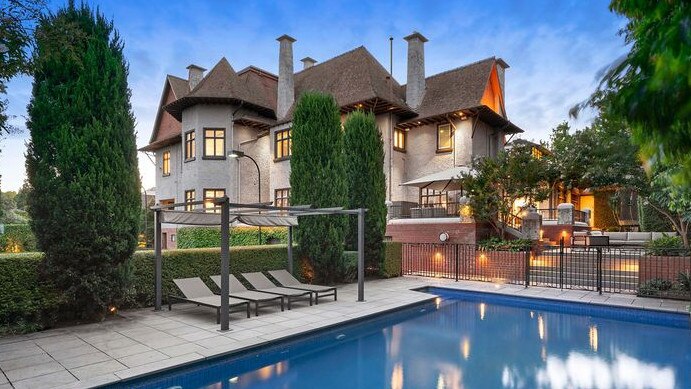
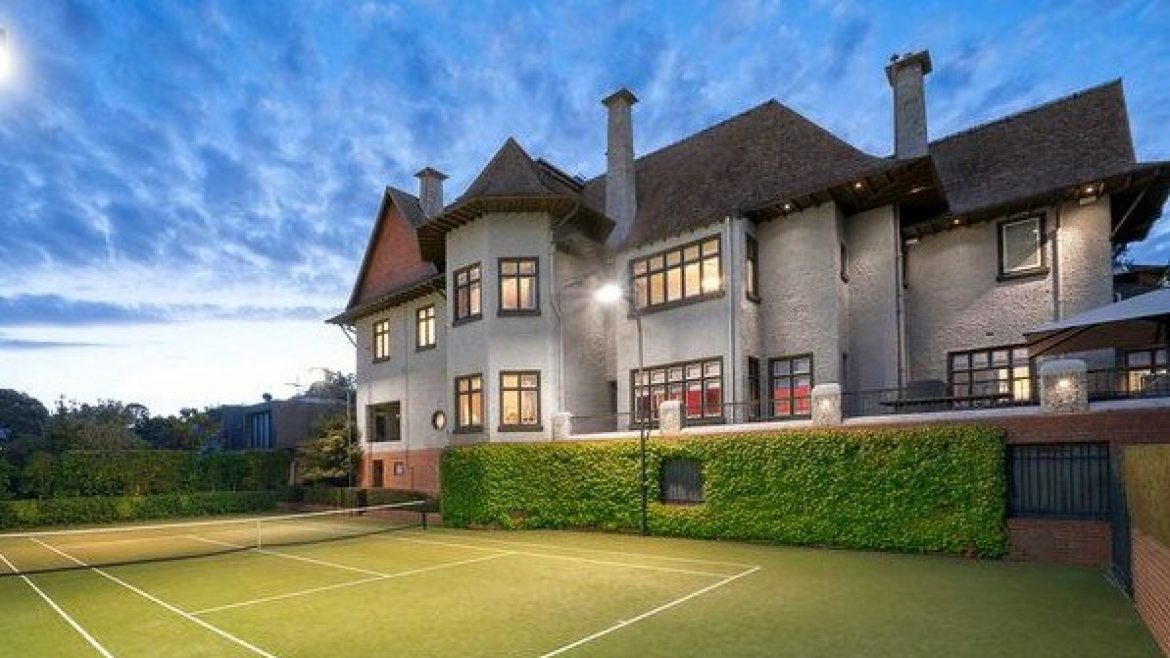
224 Kooyong Road, Toorak is for sale.

One of Toorak’s finest mansions is up for sale by JB Hi-Fi boss Richard Murray and his partner Julie Blackwell.

Glyn, at 224 Kooyong Road, has been put on the market by the home electronics chief executive with a massive $14-$15.4m price guide.

Public records show the elaborate mansion is owned by the rich lister, who has been CEO of the major Australian chain since 2003.

RELATED: Toorak apartment with basement dubbed ‘Manland’ for sale

Ghadir Razuki: Businessman booting Toorak mansion

Rose Porteous: Flamboyant socialite’s old Toorak mansion sold

JB HIFI

JB H-iFI CEO Richard Murray is selling the mansion. Picture: Aaron Francis

You can see why it has a $14-$15.4m price guide.

Marshall White Stonnington director Marcus Chiminello declined to comment on the vendors’ identity, but said the property “formed part of the tapestry of Toorak’s history and was one of the suburb’s most significant mansions”.

He said the owners had modernised certain sections of the 1908 home, originally built for politician and BHP founding shareholder Sir Edward Miller.

“They’ve made some really nice cosmetic enhancements to the house that allowed for modern living as well as keeping the history,” he said.

“They really brought a soul to the home, rather than being the rambling house it originally was.”

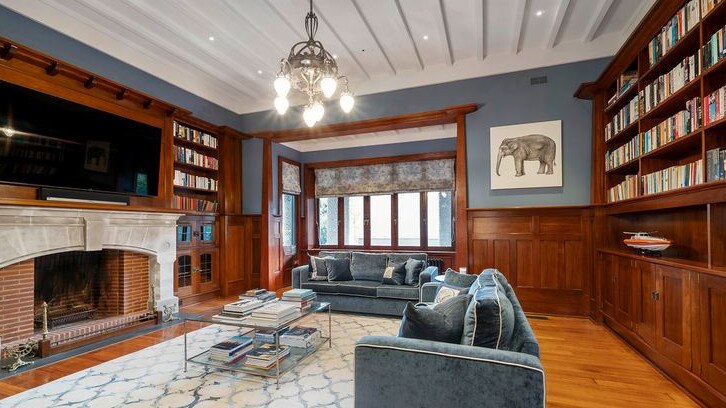
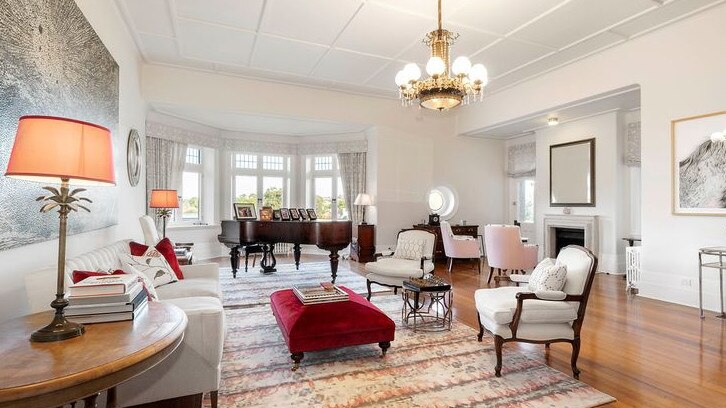
Traditional features still remain across living rooms in the home.

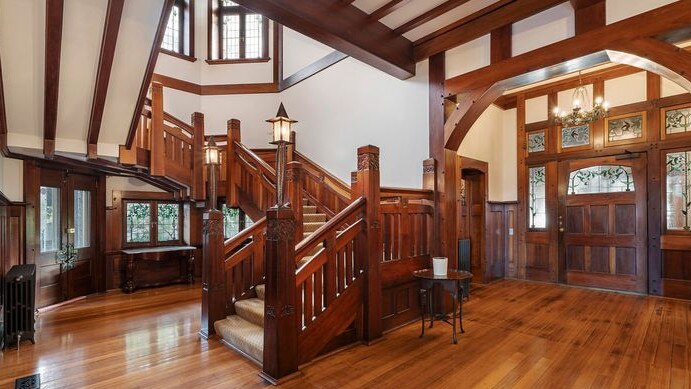
A grand old entrance foyer.

The Arts and Crafts mansion was built in 1908.

CoreLogic shows the couple bought the seven-bedroom Arts and Crafts mansion for $11m in 2016. Title records show lawyer Andrew Fairley was the previous owner of the property.

The sprawling 2420sq m block boasts a championship-sized tennis court and heated pool among established gardens.

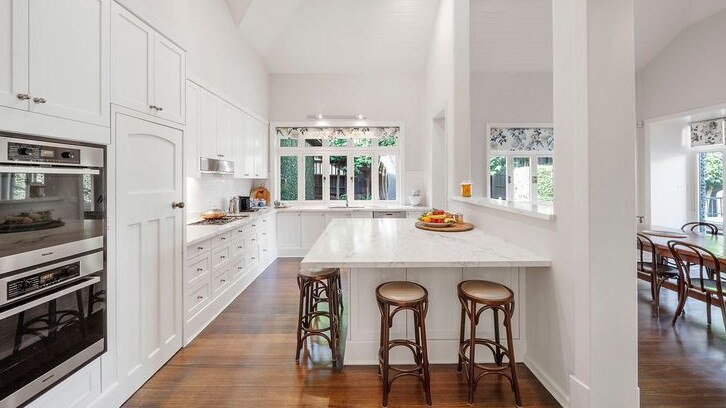
Inside, a contemporary kitchen that includes a butler’s pantry is part of the modern living area.

Parts of the house are incredibly contemporary.

A huge kitchen with built-in dining area.

On the first floor, all the home’s bedrooms and their ensuites have also been updated. Extra luxe features include multiple studies, a gym, triple garage and modern security system.

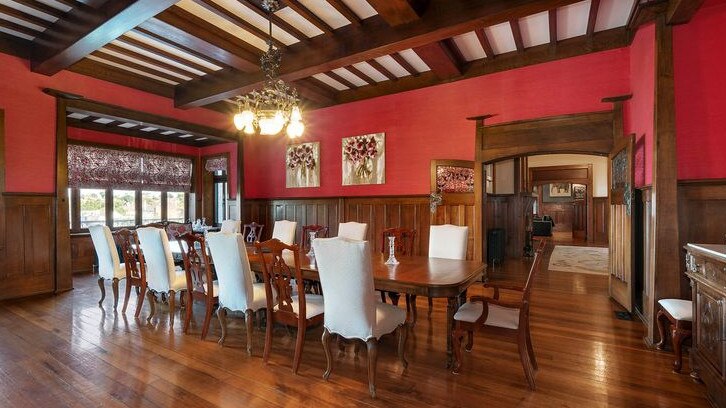
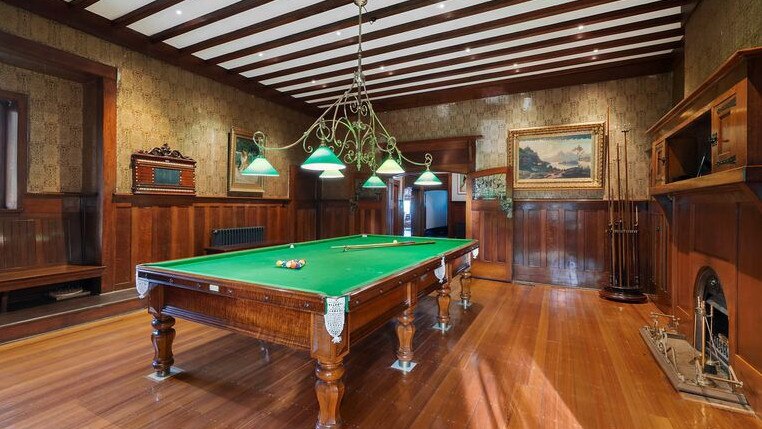
Traditional details such as wood panelling and ceiling beams, chandeliers, fireplaces and leadlight windows still feature in the entrance foyer, formal living room, dining room and a billiards room.

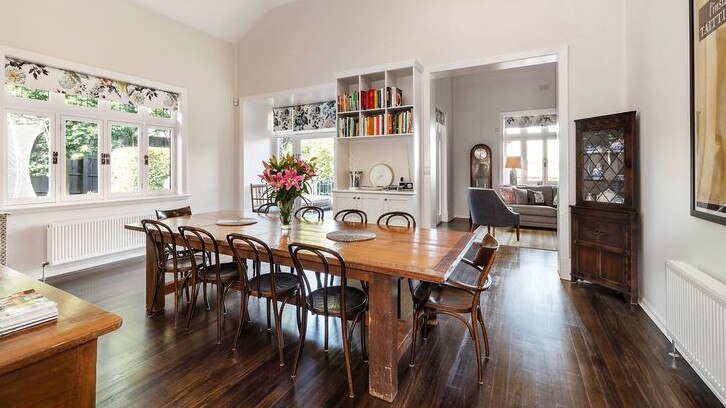
There are multiple dining rooms.

Step back in time and play billiards.

Mr Chiminello said the vendors had a passion for “identifying great properties and further enhancing them”. This was one of their many projects in the past 20 years, and the couple were moving on to another opportunity, he said.

An expressions of interest campaign is set to close on September 7.

READ MORE: HomeBuilder: Melbourne’s stage four restrictions could hurt grants

Sir William McPherson: Former Victorian Premier’s stately Hawthorn mansion for sale

Heatherton buyer outbids himself at auction to scare competition

The post Richard Murray: JB Hi-Fi CEO selling Toorak mansion ‘Glyn’ appeared first on realestate.com.au.
No Comments

‘Bridesmaid’ suburbs: cheaper alternatives to dream postcodes where homes cost half as much

Buyers in 'Bridesmaid' suburb

Jarrard and Ruth Scott are selling their unit in Brookvale, a cheaper alternative to nearby suburbs. Picture: Tim Hunter

Sydney buyers priced out of their dream suburbs can save hundreds of thousands of dollars — even millions — by purchasing just one postcode over.

“Bridesmaid” suburbs emerged in recent years due to uneven growth in the housing market, with average prices in some suburbs up to $1.5m lower than in ”bride” suburbs, research shows.

Other areas have simply flown under the radar of buyers and tenants for an extended time and the lower demand has kept prices and rents well below those in more trendy locations nearby.

MORE: Fear of second wave in NSW shifts sales

Where investors are spending their money

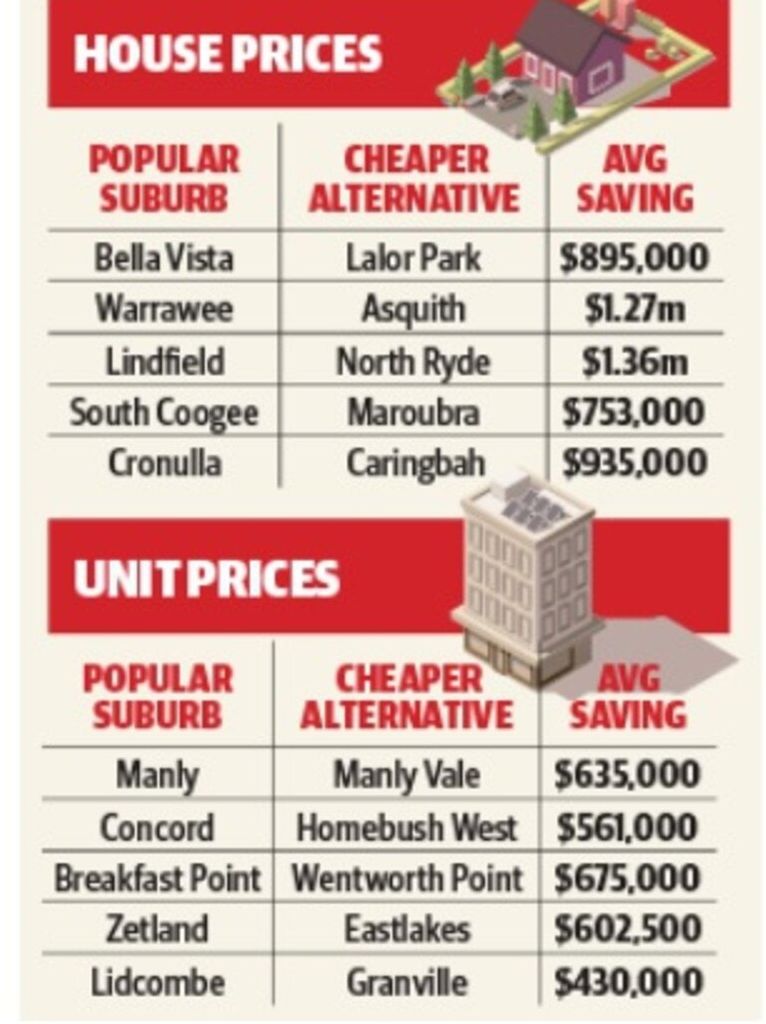
Apartment hunters who have their sights set on Concord can save more than $561,000 by looking one suburb over to Homebush West.

And buyers looking to set up home in Cronulla could purchase a house in nearby Caringbah for up to $935,000 less.

Realestate.com.au data showed some of the biggest price discrepancies were on the northern beaches in suburbs Manly Vale, Dee Why and Brookvale.

Properties in Miranda, Lalor Park, Asquith, Tempe and North Ryde also offered better value than comparable houses in neighbouring suburbs.

“The factors that lead to the (price) gaps are things like beach access, housing is tight, block sizes and physical geography,” Realestate.com.au chief economist Nerida Conisbee said.

Apartment prices and rents also tended to be cheaper in areas where there was more housing developments, she said.

“In some of these locations I would say they’re worth saving the money … you can enjoy some of the amenities that the blue-chip suburbs have,” Ms Conisbee said.

The data, which compares the median house prices of adjacent postcodes, shows homebuyers can snare a home in the semi-industrial suburb of Brookvale for about $1.32m, $424,000 cheaper than in neighbouring Dee Why and nearly half the median price in nearby Balgowlah Heights.

Local residents Jarrard Scott, 32, and wife Ruth, 29, said most people did not even know there were houses in Brookvale.

“Most people have no idea what it’s like once you get off the main road,” Mr Scott said.

“Many of the old warehouses and factories are being turned into restaurants and cafes and there are a lot of distilleries. It’s changing pretty fast.”

The couple are selling their unit in a building at 517 Pittwater Rd through McGrath-Manly’s Tim Cullen after buying a house in the suburb and said most other buyers competing against them were families wanting houses with yards.

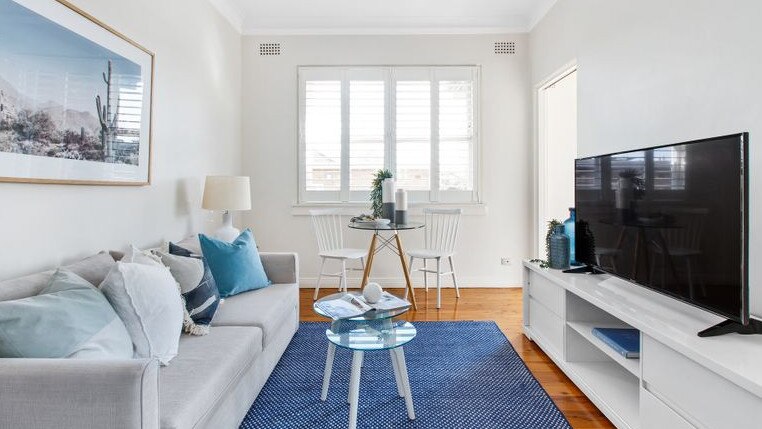
MANLY SALE: this two-bedroom unit on Tower St is listed for $875,000.

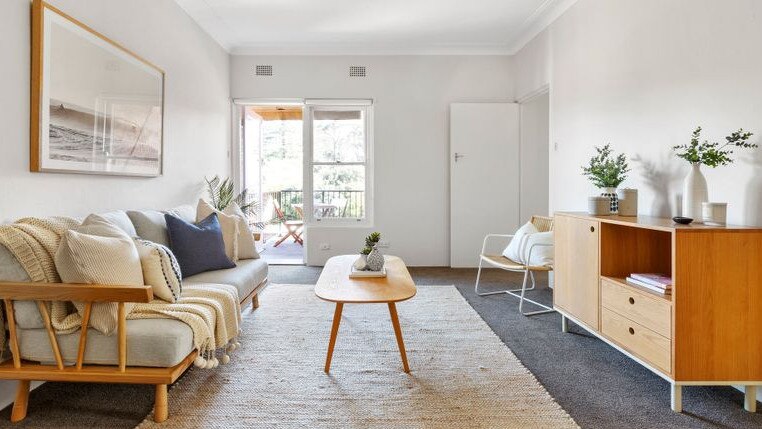
MANLY VALE SALE: This two-bedroom unit on Lovett St in Manly Vale is $675,000.

“You’re still only five minutes’ from the beach and you’re near the biggest shopping mall (on the Northern Beaches), so it’s appealing,” Ms Scott said.

Further south, unit prices in Manly Vale had a median of $790,000 which was about $635,000 cheaper than in next door Manly, largely because of the further distance from the beach.

Ms Conisbee said some buyers would find the longer walk to the water from Manly Vale worth the significant price saving.

On the upper north shore, Asquith was considerably more affordable than surrounding suburbs, including Warrawee, where house prices were an average of $1.27m more expensive.

With a median house price of $1.02m, Asquith was also about $170,000 cheaper than in nearby Hornsby.

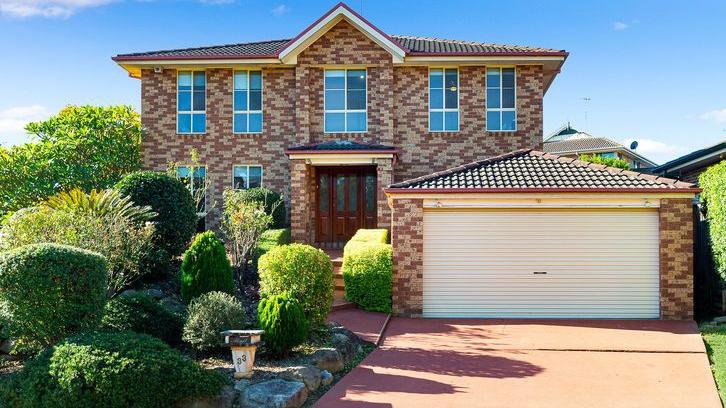
BELLA VISTA: this four-bedroom house on 33 Francesco Crescent is $1.6m-$1.65m.

LALOR PARK this four-bedder on Vardys Rd is selling for $770,000-$805,000.

North Ryde was an average of about $1.36m cheaper than neighbouring north shore suburb Lindfield, which tends to have older, larger homes.

Select Property’s Jeremy Sheppard, the developer of a price predictor system known as Location Score, said neighbour price gaps were often temporary.

“Buyers will move to the cheaper areas once it gets too expensive in one location. It’s a ripple effect,” Mr Sheppard said, adding the savings often made it worth losing a feature such as beach proximity.

“No single location can keep going up in price. Buyers eventually get priced out and they consider the cheaper alternatives.”

Buyers in 'Bridesmaid' suburb

Jarrard and Ruth Scott said most people didn’t even realise their were houses in their suburb.

The most extreme savings were in suburbs near Sydney’s premium eastern suburbs.

Houses in Bondi Junction, for example, were an average of about $3m cheaper than in the more exclusive Bellevue Hill, where the average price was $5.6m.

Bondi houses were about $2.37m cheaper than Vaucluse houses. T

The post ‘Bridesmaid’ suburbs: cheaper alternatives to dream postcodes where homes cost half as much appeared first on realestate.com.au.
No Comments

The Adelaide suburbs that are much cheaper than their neighbours

Adelaide's 'Bridesmaid' suburbs

Deanna Daminato and Michael Alves at Pane E Latte in Broadview. The couple recently bought a house in the area. Picture: Brenton Edwards

Why pay more for a property in your dream suburb when you can enjoy the same amenities and potentially save hundreds of thousands of dollars by buying next door?

An analysis by realestate.com.au of Adelaide’s suburbs with the greatest variance in median price has found househunters could find much cheaper alternatives in nearby areas.

Greenwith and Elizabeth East recorded the largest value difference across Adelaide.

In the outer northeast, Greenwith’s $495,000 median house price is more than twice Elizabeth East’s median of $206,000 – a saving of $289,000.

MORE NEWS

The fun-filled backyards children will fall in love with

Divine converted chapel almost ‘pew’ good to be true

Take a sneak peek inside MasterChef star Laura Sharrad’s home

The figures paint a similar picture for prospective tenants, with Hewett and Evanston recording the largest median rent difference for houses at 64.23 per cent – or $176 a week.

The findings are ranked on the greatest variance in median price and rent between areas they either share a boundary with or are within a few kilometres of.

Harcourts Sergeant director Matt Sergeant, who specialises in the northern and northeastern suburbs, said it all came down to what people wanted in a home.

“You can still buy in Salisbury Heights at the lower end but it’s down the hill and they’re older homes,” he said.

“But $300,000 will buy you a superstar house in Elizabeth”.

Looking for property in a neighbouring suburb could save you money.

Closer to the city, Broadview’s median house price is $585,000 cheaper than Walkerville’s, which has broken the million-dollar threshold.

Ray White Norwood agent Nick Borrelli said many people were turning to the more affordable suburb.

“That’s what a lot of people started to do four to five years ago and that’s when we started to notice prices go up,” he said.

“Not a lot of people knew … how close it was.

“You’re surrounded by everything that you need and (have) got good access to the city and the water.”

Deanna Daminato and Michael Alves recently bought a house in Broadview because the area was affordable and close to family.

“This may not be our forever home because we want to live closer to the beach or city one day, but this works for us right now,” Ms Daminato said.

“We were looking for a big house with a backyard and this had everything we wanted.”

BRIDESMAID SUBURBS TO BUY


(Suburb #1, median house price, suburb #2, median house price, price difference, percentage difference)

Greenwith: $495,000 – Elizabeth East: $206,000 = $289,000, 140 per cent

Salisbury Heights: $400,000 – Elizabeth South: $171,000 = $229,000, 134 per cent

Hillbank: $347,500 – Elizabeth North: $159,000 = $188,500, 119 per cent

Onkaparinga Hills: $497,500 – Hackham West: $245,000 = $252,500, 103 per cent

Somerton Park: $924,000 – Seacombe Gardens: $456,000 = $468,000, 103 per cent

Walkerville: $1,157,500 – Broadview: $572,500 = $585,000, 102 per cent

(Suburb #1, median unit price, suburb #2, median unit price, price difference, percentage difference)

Glenelg North: $430,000 – Plympton: $240,000 = $190,000, 79 per cent

Norwood: $527,500 – Kensington Gardens: $391,000 = $136,500, 35 per cent

Glenelg East: $366,000 – West Beach: $292,500 = $73,500, 25 per cent

Henley Beach: $425,000 – Seaton: $345,000 = $80,000, 23 per cent

North Adelaide: $425,000 – Prospect: $379,000 – $46,000, 12 per cent

Fullarton: $436,100 – Unley: $393,000 = $43,100, 11 per cent

BRIDESMAID SUBURBS TO RENT

(Suburb #1, median house rent, suburb #2, median house rent, price difference, percentage difference)

Hewett: $450 – Evanston: $274 = $176, 64.23 per cent

Henley Beach South: $610 – Brooklyn Park: $405 = $205, 50.62 per cent

Walkerville: $550 – Broadview: $380 = $170, 44.74 per cent

Salisbury Heights $360 – Elizabeth South $251 $109 43.43 per cent

Hillbank: $350 – Elizabeth Grove: $250 = $100, 40.00 per cent

North Adelaide: $525 – Renown Park: $380 = $145, 38.16 per cent

(Suburb #1, median unit rent, suburb #2, median unit rent, price difference, percentage difference)

West Lakes: $433 – Queenstown: $265 = $168, 63.40 per cent

Adelaide: $448 – St Peters: $280 = $168, 60.00 per cent

Golden Grove: $360 – Salisbury East: $255 = $105, 41.18 per cent

Kent Town: $410 – Dulwich: $298 = $112, 37.58 per cent

Wayville: $385 – Richmond: $280 = $105, 37.50 per cent

Glenelg: $400 – Camden Park: $300 = $100, 33.33 per cent

(Source: realestate.com.au)

The post The Adelaide suburbs that are much cheaper than their neighbours appeared first on realestate.com.au.
No Comments

Bidders come for ‘massive bargain’ at Public Trustee auction in Auchenflower

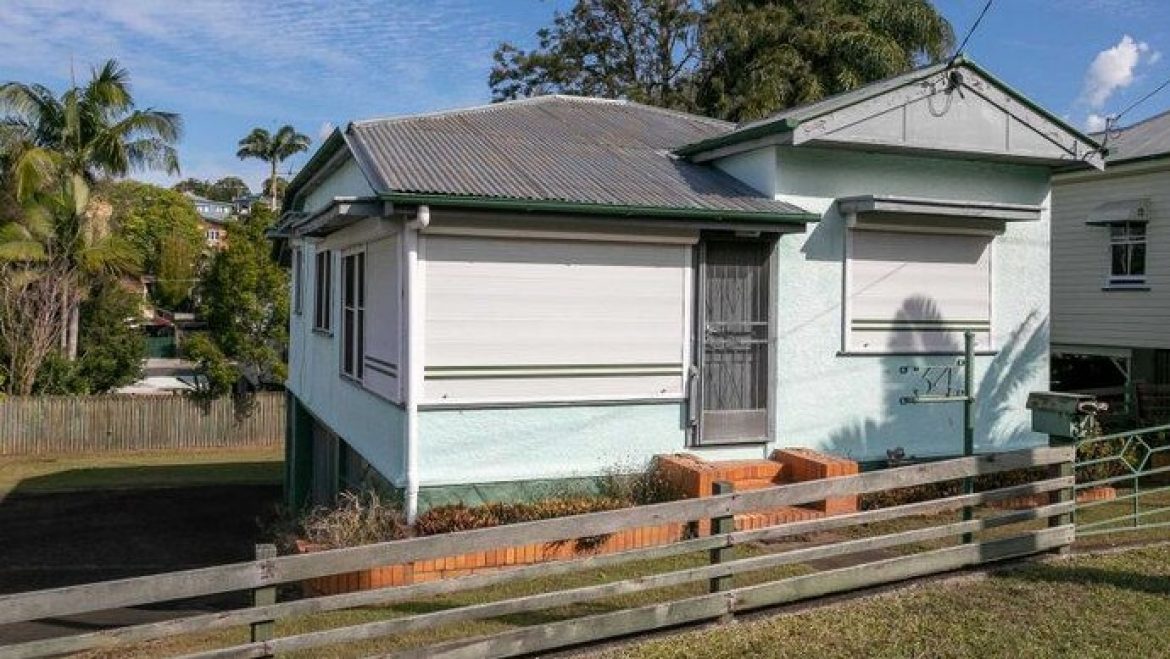
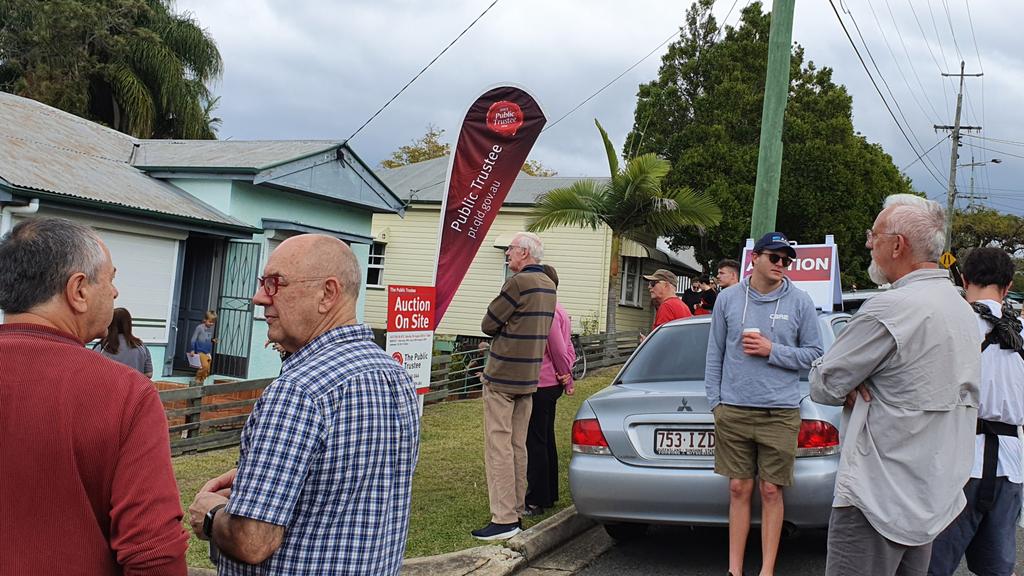
This home at 34 Annie Street, Auchenflower went to auction on Saturday after being in the one family for more than 50 years.

TWENTY-one registered bidders were not enough to stop an inner-city house from passing in at auction after bidding stalled at $840,000.

In one of the first Public Trustee auctions since the statutory authority returned to the market following the COVID-19 lockdown in Queensland, only three people raised their bidder cards to take part in the auction of 34 Annie Street, Auchenflower.

“(With Public Trustee auctions) people think they’re going to get a massive bargain but our role is to look after the seller’s interest. So we sell for what’s fair on the market,” Public Trustee director of property Joanne Edsor said.

But after closing the auction and thanking the crowd of 100 for their attendance, auctioneer and agent Paul Gaffney scrambled to secure a deal and within five minutes the property was sold under auction conditions for $860,000 to the family who made the opening bid.

MORE PROPERTY STORIES

Where you can invest for less

Southerners buying in Queensland sight unseen

Public Trustee auctioneer and selling agent Paul Gaffney at the auction of 34 Annie Street, Auchenflower.

“We did 19 auctions last weekend and we sold 13 of them, half of those, the first person to bid ended up buying the house,” Mr Gaffney said.

The reserve had been set at $900,000.

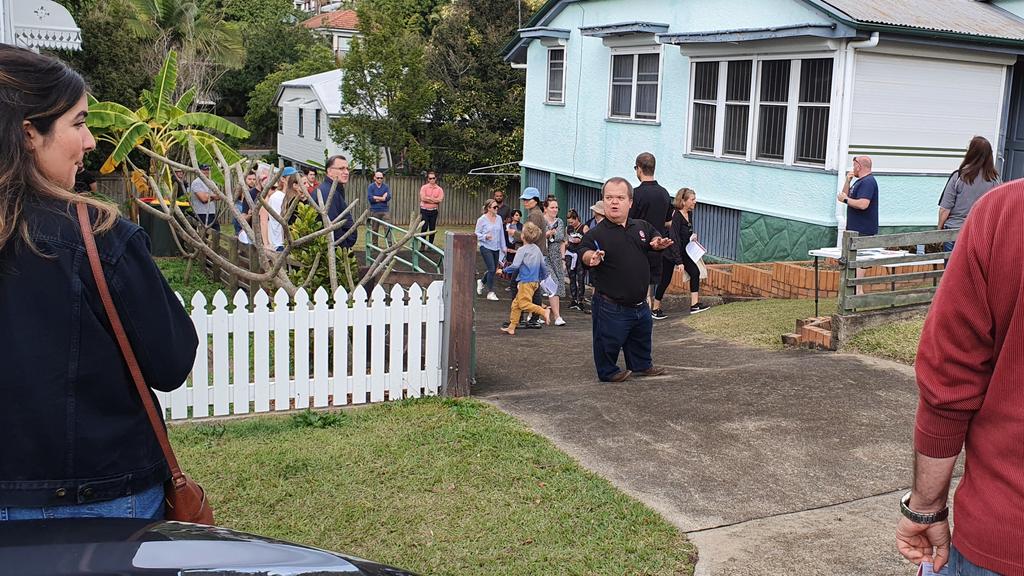
The crowd gathers before the auction begins.

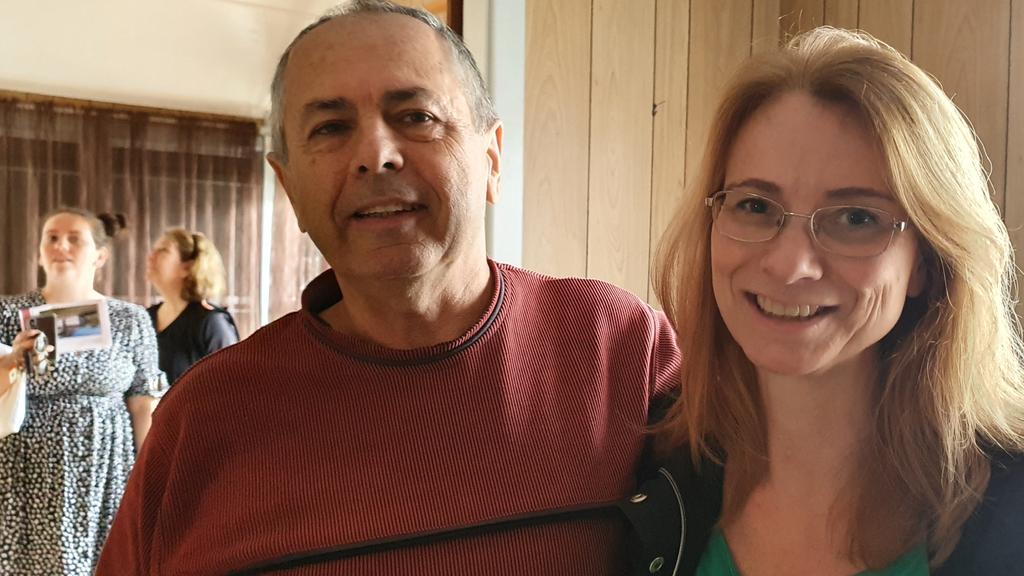
Standing on the street in the middle of the crowd was freight train driver Anton Bubrle who had been looking after his mother’s two-bedroom house in Auchenflower since Ludmila Bartunek moved into a nursing home two years ago.

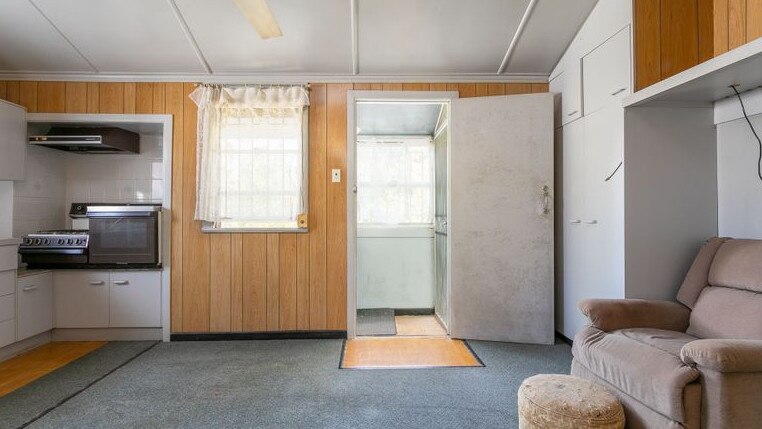
Anton and Bianca Bubrle in the house Anton grew up in.

“I have very mixed feelings, I grew up here. It’s sad, a chapter of my life is gone,” Mr Bubrle said. “It cost us $9000 at the time (in 1969). But mum isn’t moving back and it’s time. Anything around here is redone to such a high standard, it’s become a very rich area. Trust me, we weren’t rich when we moved in.”

SEE WHAT ELSE IS FOR SALE IN AUCHENFLOWER

But the memories of his mother’s famous homemade cheesecakes and pork schnitzel that she used to make for the Czech Club, and the creaking of a particular floorboard at the entrance to the living room, will never be forgotten.

The kitchen was where everyone came to chat while Ludmila Bartunek would make her famous Czech food.

“I’ve always liked the sound of that crack, for me it sounds like home,” Mr Bubrle’s wife Bianca said. “I noticed it the first time I came to visit Anton in 1994.”

The property was one of more than 50 to go to auction across Brisbane yesterday.

FOLLOW US ON FACEBOOK

The post Bidders come for ‘massive bargain’ at Public Trustee auction in Auchenflower appeared first on realestate.com.au.
No Comments

Property investment tips and strategy: Proven performer vs. up-and-coming suburb

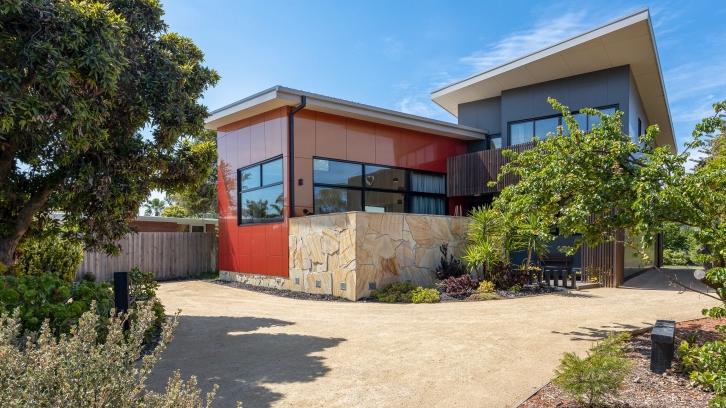
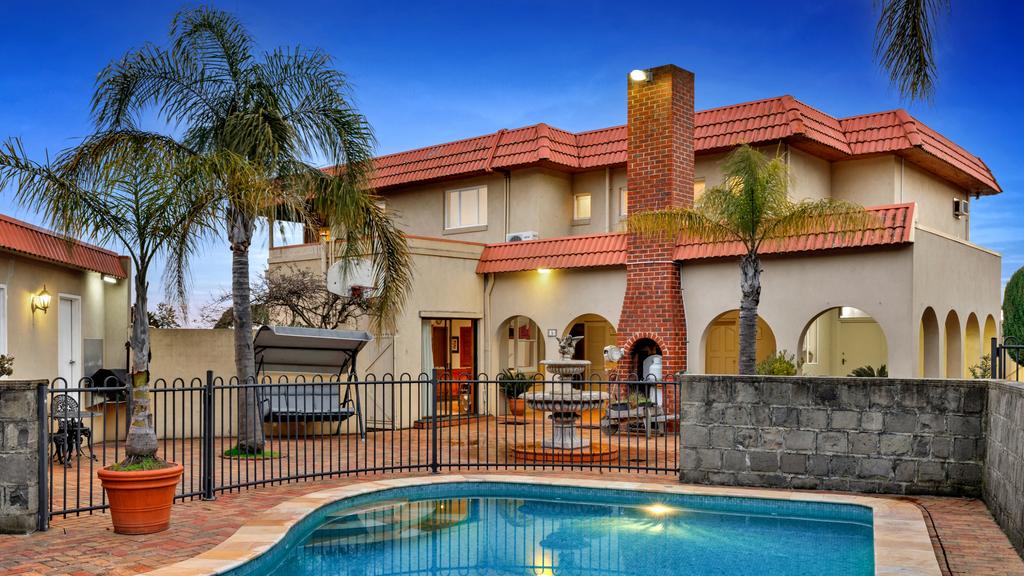
1909 Point Nepean Road, in hot spot Tootgarook, is on the market with a $1.5-$1.65m price guide.

Proponents of hot spotting say the quickest way to build a solid property portfolio is to target areas on the verge of growth.

Yet, fans of investing in proven long-term performers argue the best way to maximise profit is to buy in areas with a track record of long-term capital growth.

So which approach should you choose? Here’s a look at the pros and cons of both to help you decide which strategy is better.

RELATED: Victoria’s future real estate growth markets picked by experts

Melbourne home values: Downturn deepens as stage four lockdown starts

Victoria stage four restrictions: How COVID lockdown will affect real estate

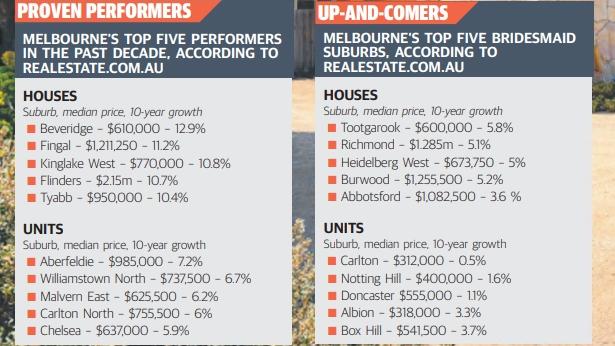
Melbourne’s top five proven performers and up-and-coming suburbs, according to realestate.com.au.

WHY HOT SPOTS ARE HOT

Because they’re generally in emerging areas, hot spots tend to be more affordable compared to the proven performers, according to property professor and author Peter Koulizos.

“You’re getting in just before the upturn so your initial cost of entry is also much lower,” he said.

He said hot spots were areas where substantial growth hadn’t occurred yet, so the potential for rapid growth, at least in the short term, was higher compared to proven performers.

As buyers make the purchase at the cusp of an upturn, there is the potential to amass equity quickly from a growth spurt.

WBP Group executive chairman Greville Pabst said up-and-coming suburbs — also known as “bridesmaid ’burbs” — were those that were predicted to grow off the back a high-performing neighbouring area.

“I look at an up-and-coming suburb as one adjoining a suburb that is already a solid performer,” he said. “If Prahran is too expensive, do we look in Windsor or St Kilda East? If Brunswick West is too expensive, then what about Pascoe Vale South?”

Philip Webb founder Philip Webb said buyers could get more bang for their buck in an up-and-coming suburb. “You are being speculative as to where the suburb is going, but can generally get more for your money — a bigger house (or better) style of property than in a tried and true suburb,” he said.

Greville Pabst WBP group

WBP Group executive chairman Greville Pabst said there was good value to be found in bridesmaid suburbs.

WHY HEAT MIGHT NOT COME

When it comes to investing in hot spots the operative word is “potential”, meaning the growth may not always come around.

Hot spots have the potential to grow quickly during the initial upturn phase. But if the fundamentals are lacking, this growth spurt could quickly fizzle out.

“The key risk is that a (bridesmaid) suburb may not have the same infrastructure, like public transport, a shopping village or school,” Mr Pabst said. Without those fundamentals, the suburb may never take off in value, he added.

PROVEN-PERFORMER POSITIVES

Proven performers are areas where there is already steady demand and growth, driven by a range of attractive amenities and lifestyle components.

“There is a desirability or cultural score that makes it more expensive and in demand,” Mr Pabst said.

“The disadvantage is stock is often in short supply and underlying demand tends to underpin price growth, making these suburbs more expensive.

“They may have a view, larger blocks, be within a good school zone or a trendy retail strip shopping precinct — it’s hard to replicate that amenity.”

Propertyology managing director Simon Pressley said there was no guarantee proven performers would continue to perform well.

PROOF ISN’T ALWAYS IN THE PURCHASE

While proven performers may have achieved strong growth in the past, there was no certainty it would go on indefinitely, Propertyology director Simon Pressley said.

“I don’t think there are any pros to picking a tried and tested performer,” he said. “It is making the biggest financial decision one can make and relying 100 per cent on complacency — it’s high risk.

“We can’t expect what has happened before to be repeated again.”

Mr Pressley warned buying in a proven performer could set investors up for failure, but said there were ways to minimise the risk.

“Don’t throw all your eggs in the one basket and buy a really expensive asset,” he said. “It’s breaking the No. 1 rule of investing, it’s like putting all (your money) on black (at the casino).”

Mr Pressley said those with a bigger budget should break it up.

“Take advantage of our huge country and buy multiple properties in multiple locations,” he advised.

DSRdata.com.au creator Jeremy Sheppard agreed there was no guarantee when buying in a suburb that had previously performed well.

“It is a risk, buying into an area that isn’t hot right now in the hope of superior long-term capital growth in the future,” he said.

“The longer the forecast, the less sure I am of what the future holds for proven performer property markets. But I’m much more confident of the short-term growth prospects of hot spots.”

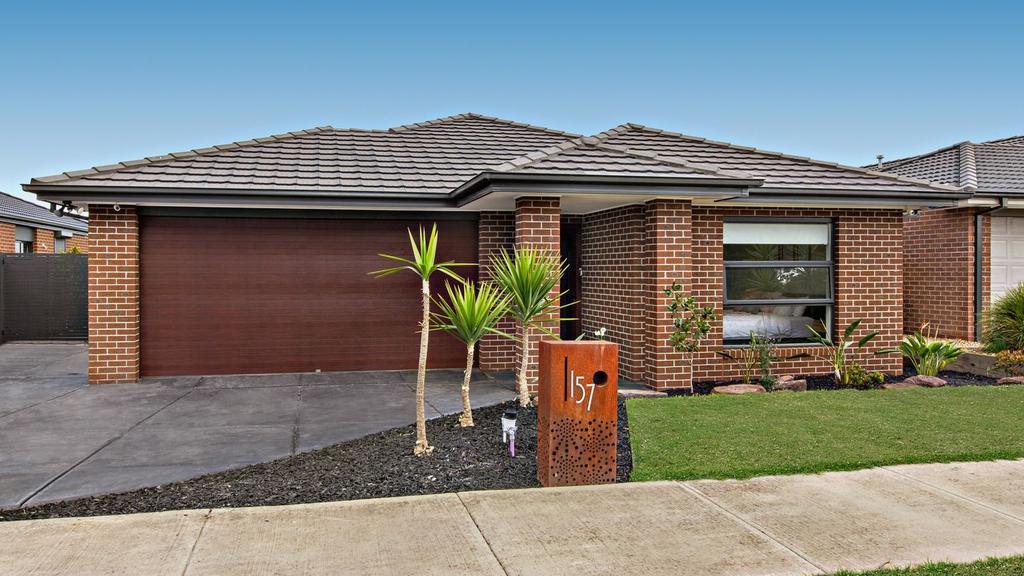
157 Mandalay Circuit, in proven performer Beveridge, is up for sale with a $540,000-$570,000 price guide.

BEST OF BOTH WORLDS

The good news is you don’t have to choose between these two approaches, according to Mr Sheppard.

“Ideally you should aim for a hot spot that lies within a proven performer area,” he said.

“This way, you benefit from the demand in these proven performers and still get in at a lower price.

“I’d keep my eye on good long-term growth markets like those that are close to capital cities, and more particularly, gentrifying suburbs within them. I’d buy into them when they start to enter their next surge of growth.”

Mr Webb said preparation was the key and suggested looking for the “worst house on the best street”. “To get the best of both worlds, you have to be prepared to put in the time and the work,” he advised.

“There might be a house with really good bones that you can improve on and establish over time.

“The secret to a good purchase is to do a lot of research, go to every open inspection and search the internet. You might come across a house that is not that attractive to the general public, yet a coat of paint or a garden landscape may make it a great home.”

Mr Pressley advised learning from history to determine the factors that have had the biggest influence on property prices.

“It’s not the suburb or property (that grows in value), it’s the economic conditions of the city,” he said. “That’s always had the biggest influence and is the biggest driver of demand.”

Mr Pressley said demand was the second biggest influence, and was heavily impacted by the construction sector.

“Investing is a financial decision, and the starting point for making an informed financial decision is to remove emotion,” he said.

“(Then) get a big body of information that paints a picture of the future economy, housing supply and basic mitigation strategies.”

– With Nila Sweeney

MORE: First-home buyer guide to negotiating new builds

Melbourne stage four restrictions: Can you move house in lockdown?

Olympic golfer Marcus Fraser sells Beaumaris mid-century house

The post Property investment tips and strategy: Proven performer vs. up-and-coming suburb appeared first on realestate.com.au.

No Comments

At home with ACO violinist Maja Savnik

At Home (favourite things) with Maja Savnik

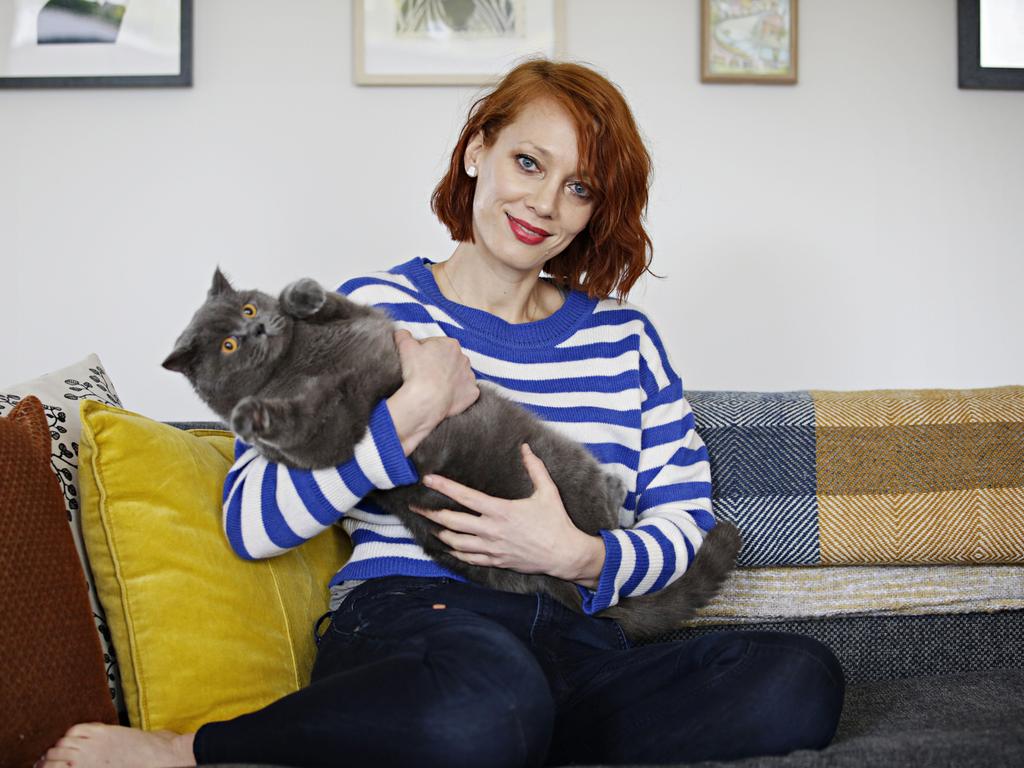
Australian Chamber Orchestra violinist Maja Savnik at home in Caringbah South.

As a little girl growing up in Slovenia, Maja Savnik wanted to play the trumpet like her father and brother. But with two professional trumpeters in the family, her mother encouraged her to learn another instrument.

“I didn’t play the violin until I was I was seven, and I didn’t take it up seriously until I was almost 10,” Maja says.

Having performed with several orchestras in Slovenia, including the Slovenian Philharmonic Orchestra, of which Beethoven is an honorary member, and toured with Sting on his Symphonicity tour, Maja applied to join the Australian Chamber Orchestra (ACO).

“It’s a very different beast to work in a chamber orchestra,” she says. “You’re much more exposed and a more active part of what is happening on stage.”

With no performances scheduled due to COVID-19, the ACO has been running a virtual Academy to mentor young musicians.

“It’s heartbreaking not to be able to perform on stage,” Maja says.

Having met her husband, Michael, during her trial period in Sydney almost five years ago, the couple have settled into Caringbah South.

“I love the Shire — and I especially love that I get woken up by kookaburras,” she says.

Words: Catherine Nikas-Boulos

Photos: Adam Yip

More: aco.com.au/acohomecasts

Who Australian Chamber Orchestra violinist Maja Savnik

Where Caringbah South with husband Michael Thoms

Favourite thing George is a British shorthair. We got him when I was feeling homesick and he’s quite the smartypants

Inspiration A mix of traditional Slovene pieces and modern Australian items

Home is I’m fortunate enough to have two homes in two different countries

MAJA’S FAVOURITE THINGS

At Home (favourite things) with Maja Savnik

Maja’s cat George is a British Shorthair.

Favourite thing George is a British shorthair. We got him when I was feeling a bit homesick and he’s quite the smartypants.

At Home (favourite things) with Maja Savnik

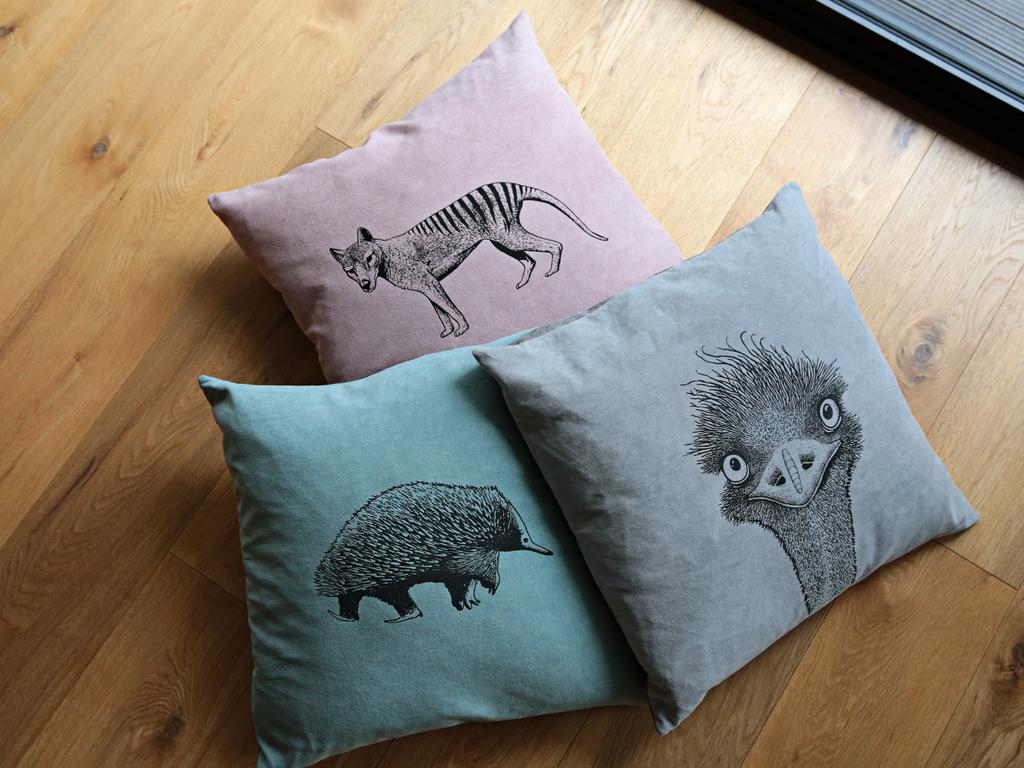
Cushions from Stalley Briton in Hobart inspired by native animals.

Stalley cushions: I was in a gallery in Hobart and came across a local artist who makes these hand-printed cushions. I bought some, then came home, found her online, and bought even more. It’s so important to support small business.

At Home (favourite things) with Maja Savnik

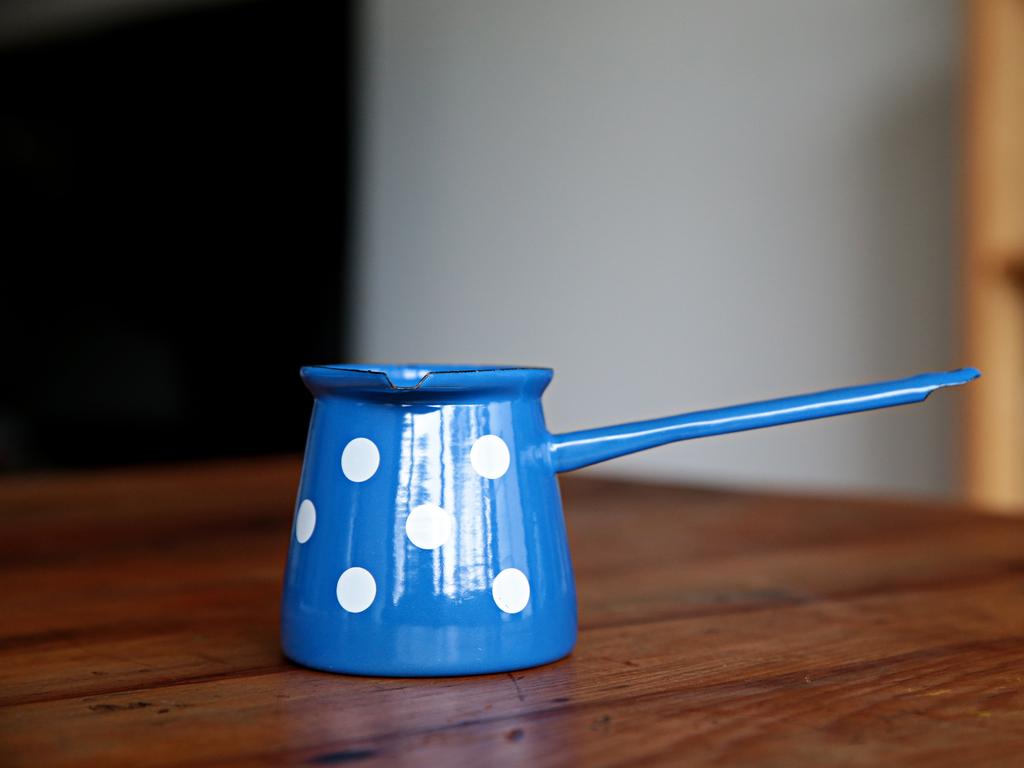
Maja likes to use this traditional Slovene coffee pot to make coffee.

Coffee pot: My best friend Nina gave me this. I still make coffee like I did in Slovenia. My husband doesn’t like it, but I still love it. The smell is beautiful and it reminds me of being in my parents’ home.

At Home (favourite things) with Maja Savnik

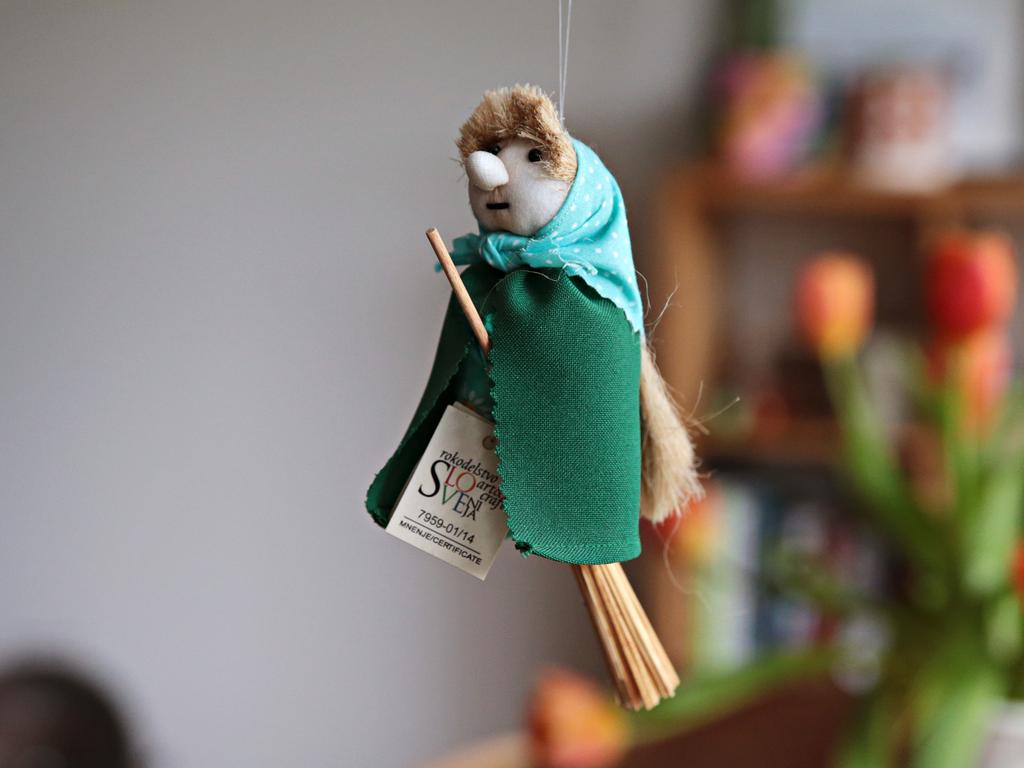
A Slovene witch to keep the evil spirits away.

Slovene witch: In Slovenia we believe if you hang the witch towards the door, she’ll chase away negative energy and make your home a happy place. We’re quite superstitious in Slovenia and this was a present from my mum.

At Home (favourite things) with Maja Savnik

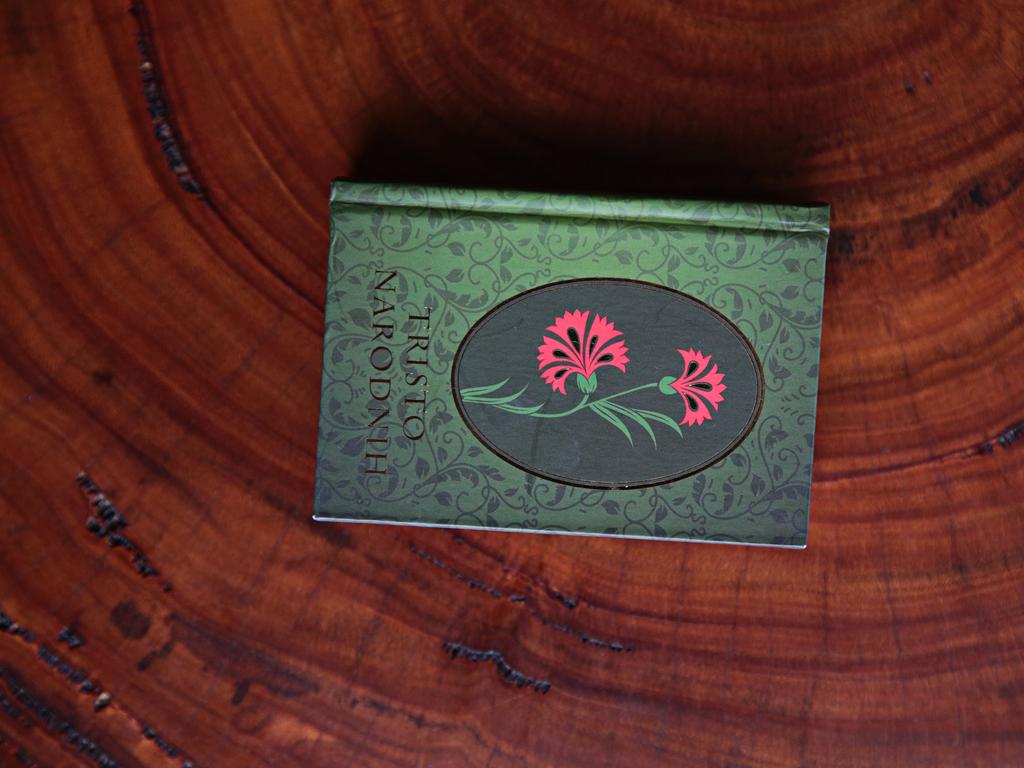
This book of Slovene folk songs reminds Maja of visits to her grandmother’s house

Book of Slovene folk songs: Every weekend I would go to my grandmother’s house where she would sing folk songs and we would all join in. One of my aunts gave me this when I got married to remind me of my heritage and culture.

At Home (favourite things) with Maja Savnik

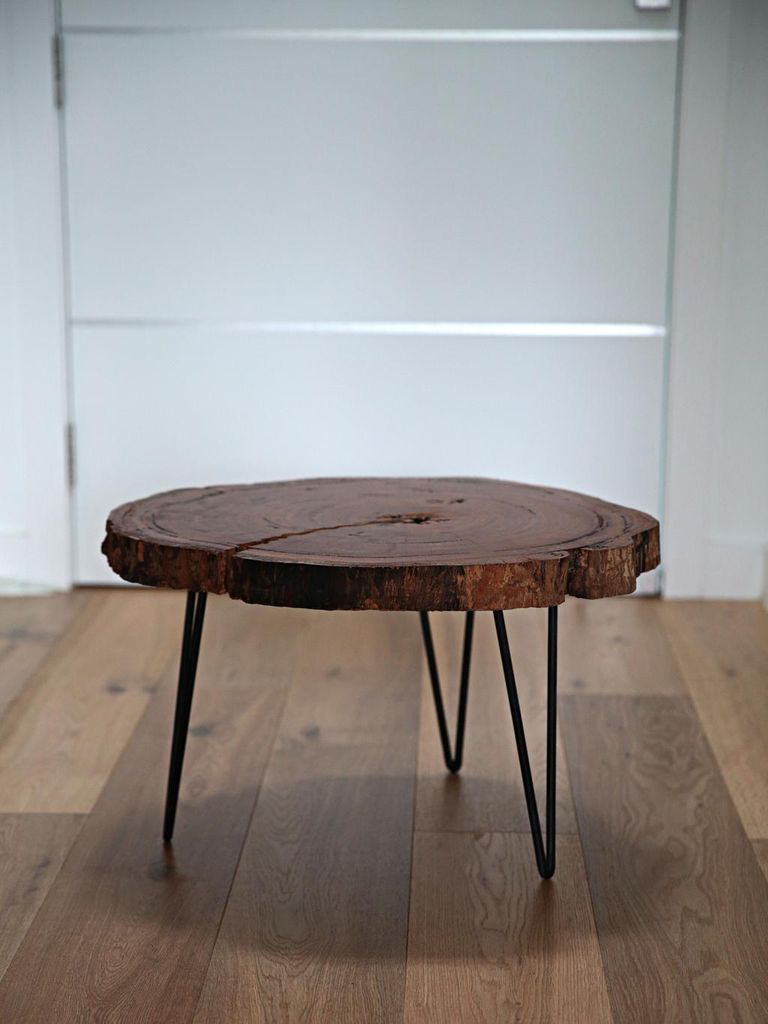
Maja’s husband Michael made this coffee table for her.

Coffee table made by Michael: This was the first piece of furniture I ever had in Australia. As I was preparing to move here after my trial period, Michael made it and when I landed it was waiting for me.

At Home (favourite things) with Maja Savnik

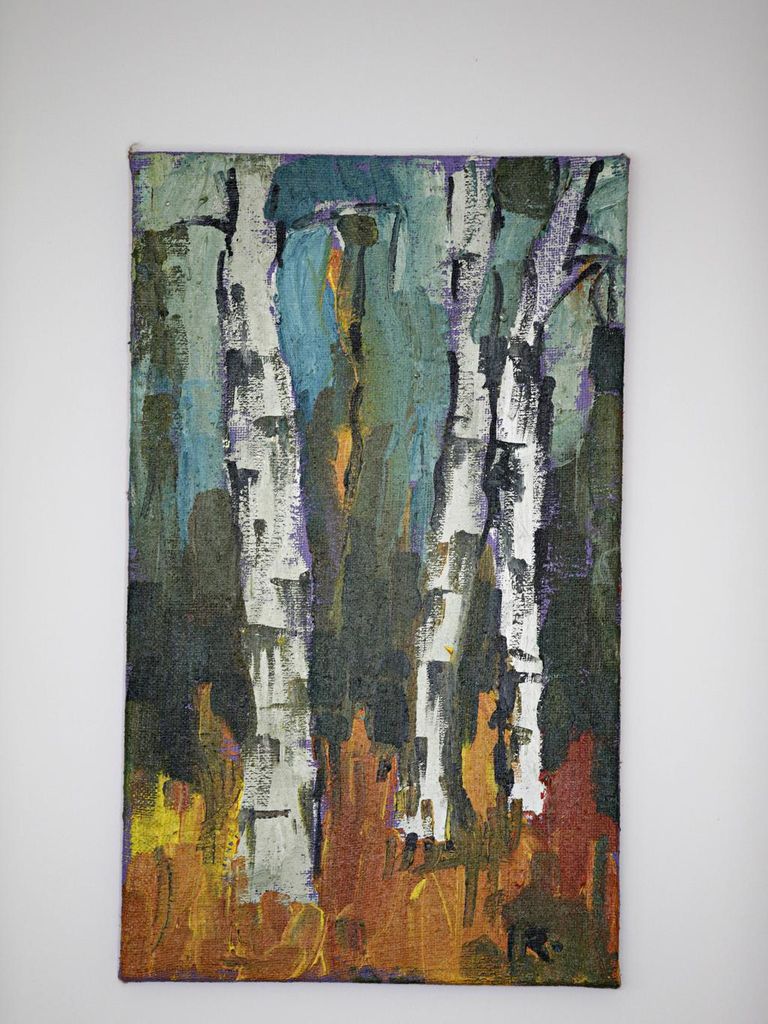
This Ida Rebula painting that was a gift from Maja’s parents.

Ida Rebula painting: My parents’ house is filled with paintings by this artist. My dad is also a bit of an amateur painter too. He gave me this painting as a gift when I was moving away and it’s something that will stay with me forever.

At Home (favourite things) with Maja Savnik

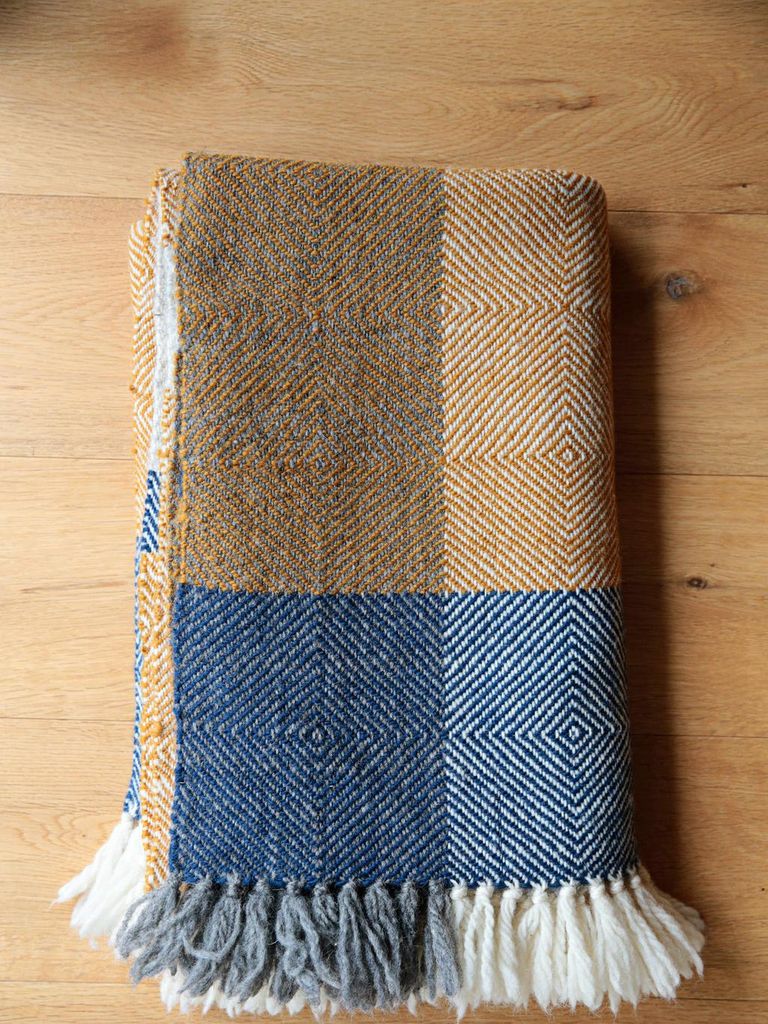
This blanket that was a wedding gift for Maja. It was made by women from Bosnia.

Blanket from Bosnia: We were married in Slovenia, and a friend noticed I was following (on social media) a group of women making blankets in Bosnia, and she bought this for us. She went to a lot of trouble to get it over the border.

At Home (favourite things) with Maja Savnik

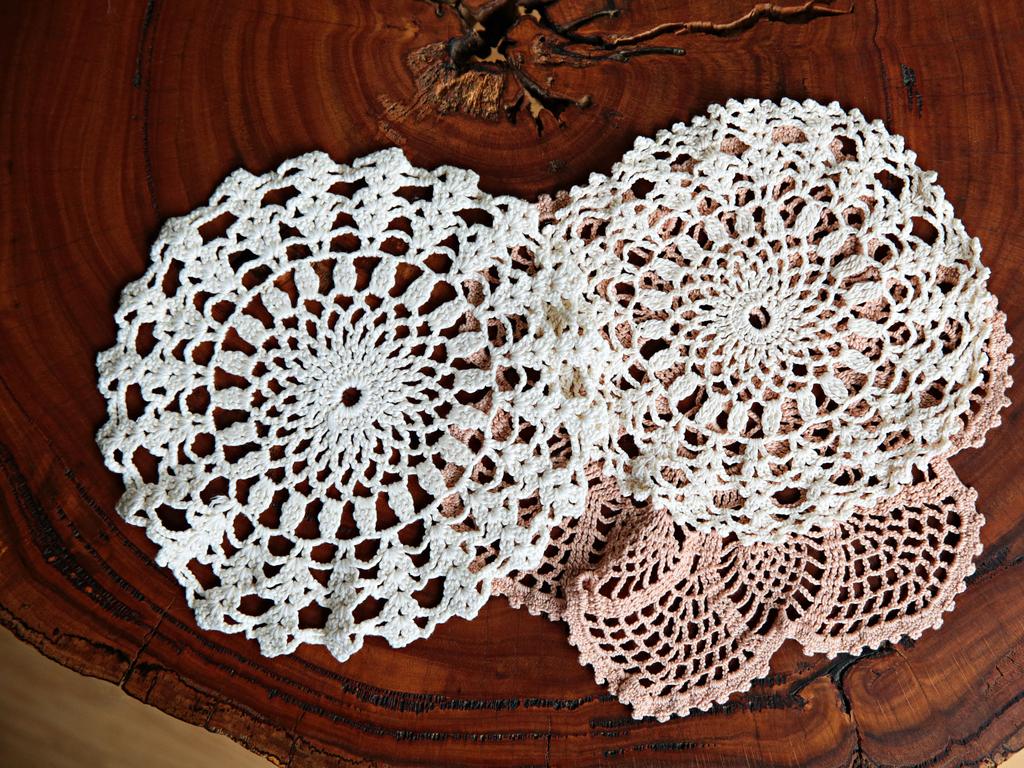
Maja loves these crocheted doilies from her mum

Crocheted doilies: I grew up with these things all over the house, and I was always annoyed because you had to pick them up and dust them off when cleaning. I love them now. They’re from my mum and now they’re all over my house.

At Home (favourite things) with Maja Savnik

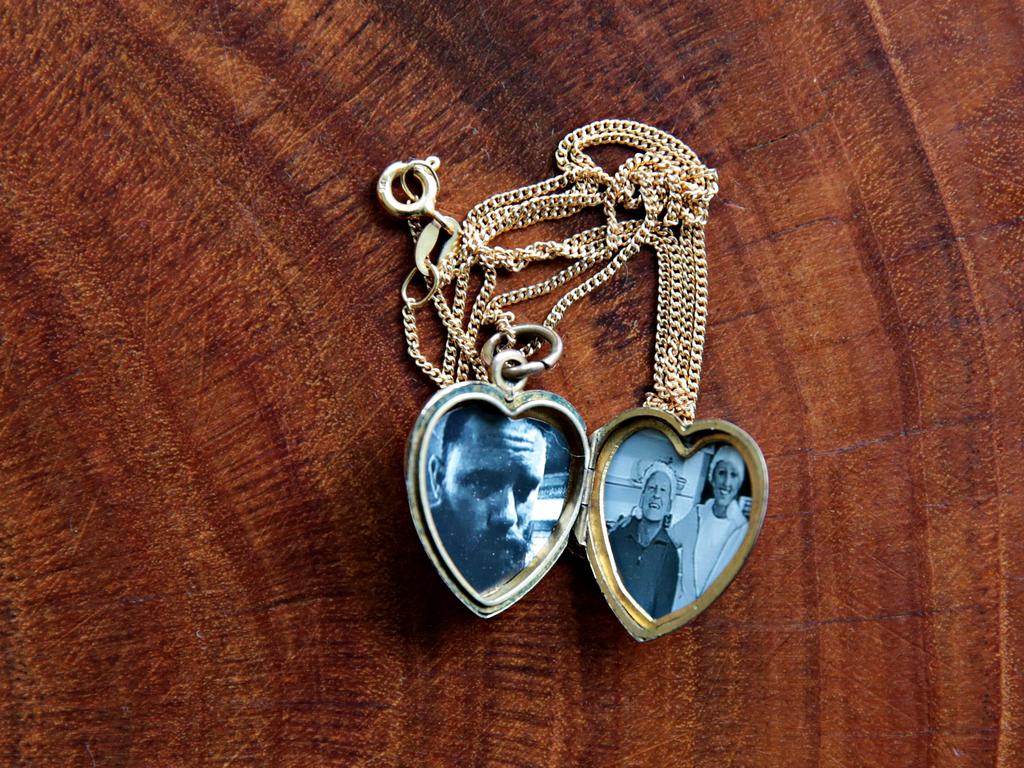
This pendant holds pictures of Maja’s husband Michael on one side and her parents on the other.

Pendant: My husband gave me this. One side has my parents and the other side is a photo of him, so wherever I go I have them in my heart. It’s very special.

The post At home with ACO violinist Maja Savnik appeared first on realestate.com.au.
No Comments

How to experience nature without leaving your home

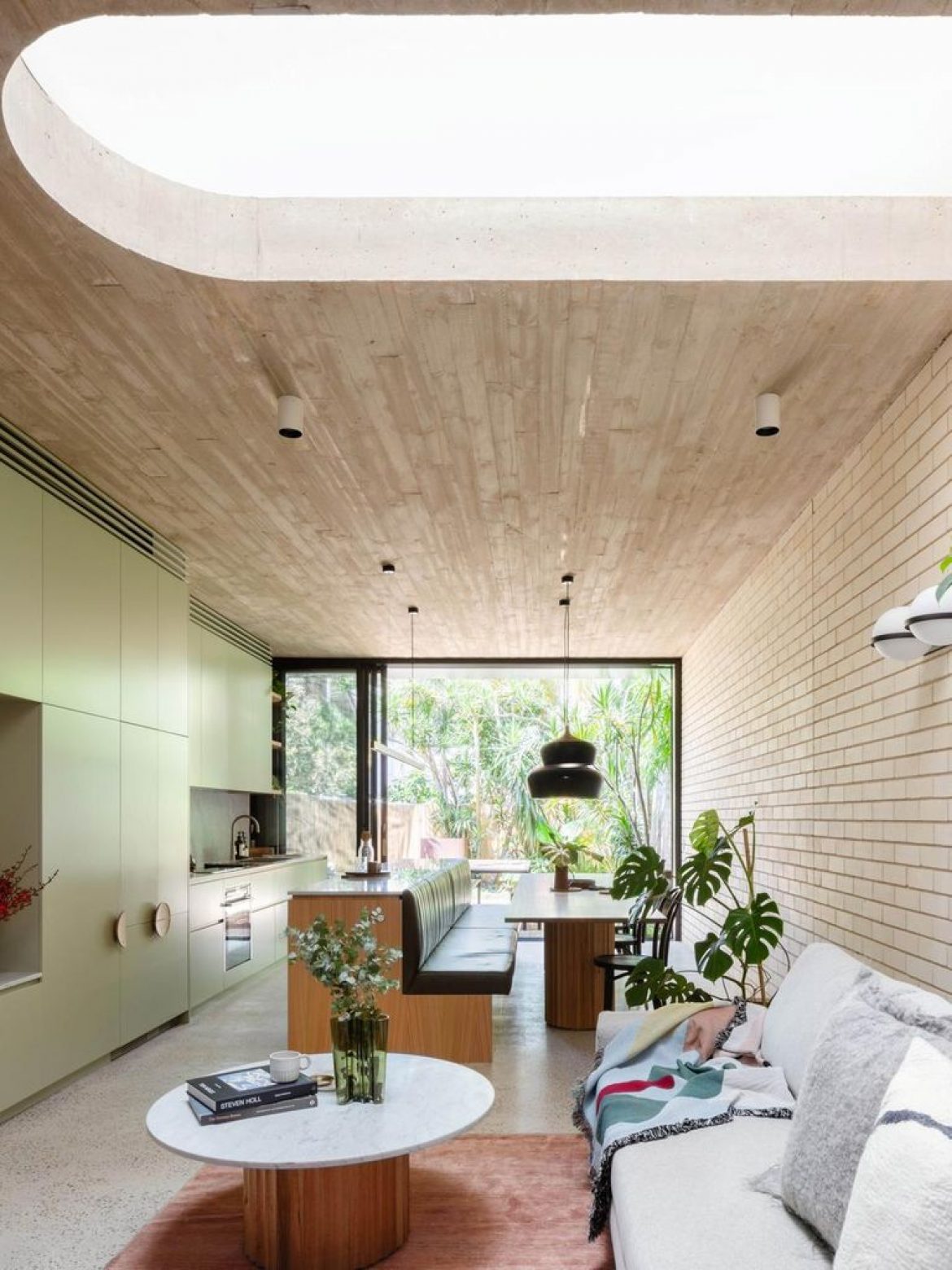
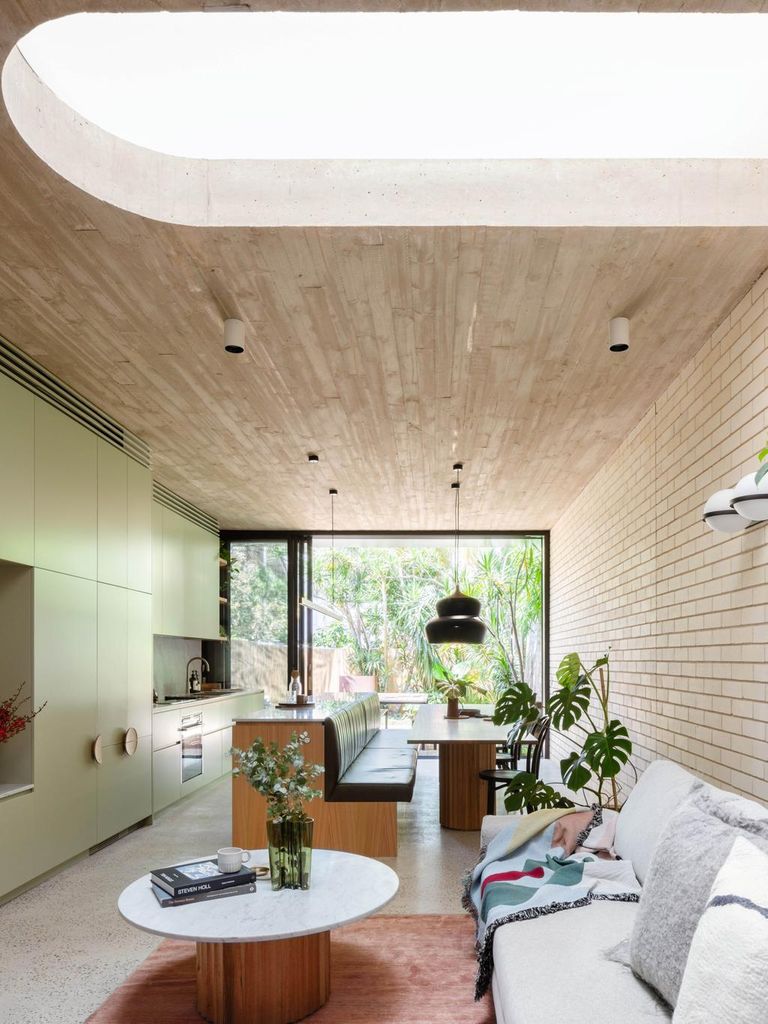
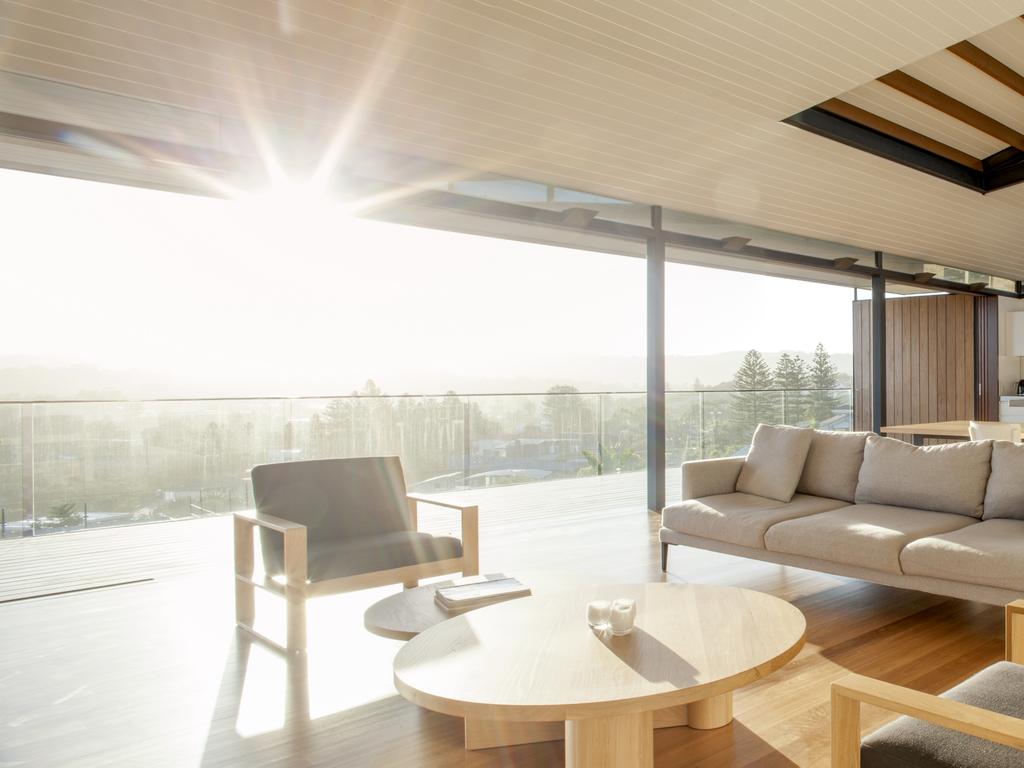
A curved skylight in this house by architect Shaun Carter allows daylight and moonlight to stream into the centre of the house. More: carterwilliamson.com Picture: Katherine Lu

If you’ve ever spent time walking through the bush or felt the sand between your toes at the beach, you already understand the calming effects of connecting with nature.

But when we’re all being directed to stay at home, it can be hard to get the benefits.

This house at Mona Vale designed by architect Richard Cole is designed to let the sun penetrate deep into the living space. Picture: Simon Wood

Honorary Assoc Prof Mardie Townsend from the Faculty of Health at Deakin University says the jury is in on the advantages of interacting with nature.

“We know anecdotally that nature is good for us,” she says. “There is a lot of research that backs that up from Australia, Sweden, the UK and the US. Contact with nature reduces stress, provides relaxation and creates a sense of calm.”

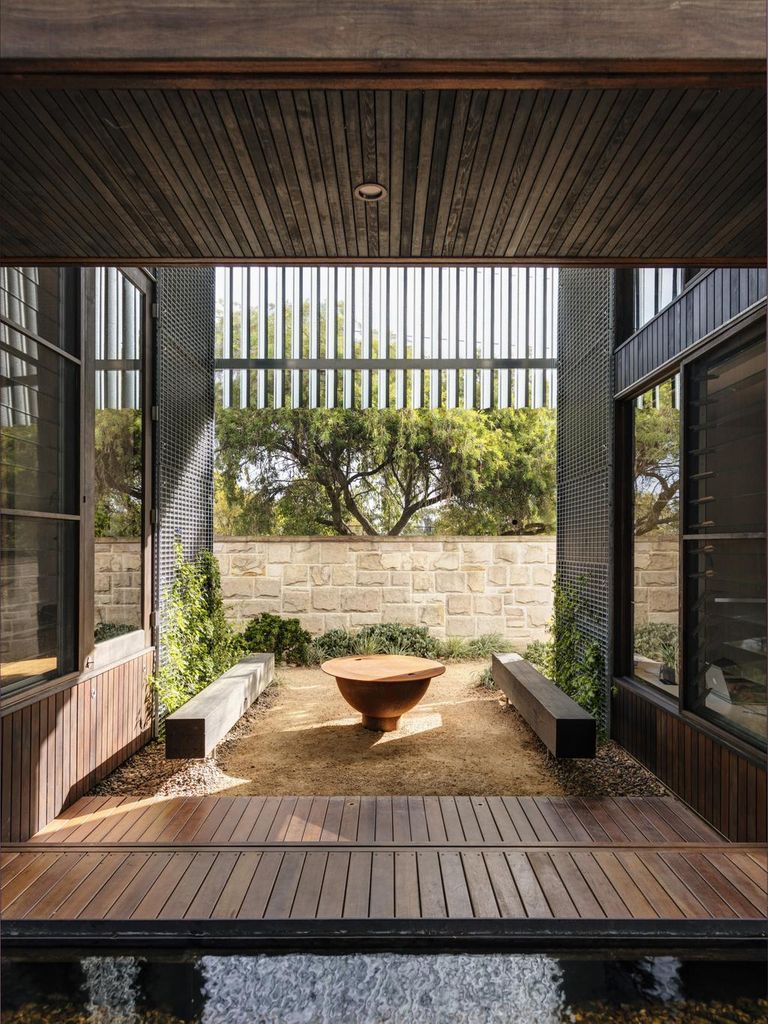
The Iron Maiden house designed and built by C+C Architectural Workshop has a water feature running through it and internal garden space that can be enjoyed from the inside as well. Picture: Murray Fredericks

While she says the best results come from being in nature, it’s possible to achieve similar results by designing your spaces well.

Architect Richard Cole has designed houses for sites around Sydney blessed with views of the ocean or the bush. He says the need to connect with the natural world, even when we’re not in it, is primal.

“(American architect) Grant Hildebrand talks about the instinctual need of humans to be attracted to spaces that have natural shelter going back to the evolution of humans living in caves,” he says.

“It’s something I think about when starting with a concept. Often it will have an enclosing wall and a site that opens to a deck.”

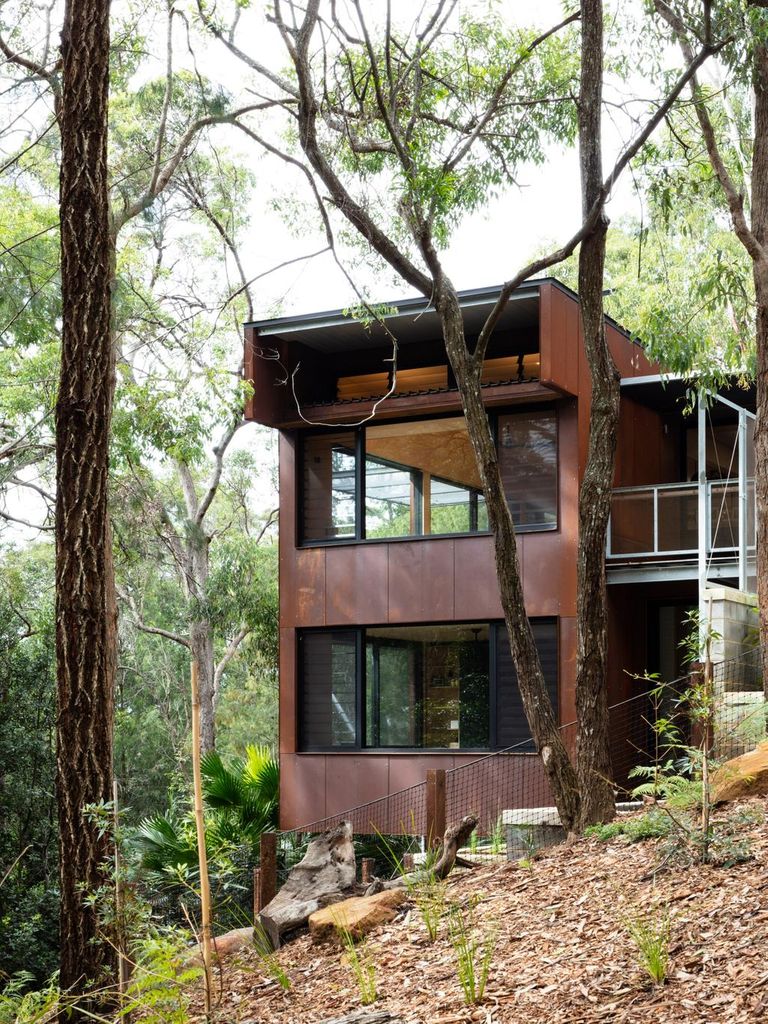
The need to connect with nature is part of being human. From this house designed by architect Matt Elkan you can see the trees, hear the wind in the leaves and enjoy the smell of the bush. Picture: Clinton Weaver

High windows that let in the sun or natural elements that will create patterns on the floors or walls indoors, such as a mature tree, rippled glass or a water source allow us to feel a part of nature without being in it.

“Louvres can provide beautiful shadow effects when you open them up and the light bounces off them,” Cole says. “We often use water features in our work.

“If you have a fountain or an overflow, you get the sound of trickling water which can be soothing and can mask the sounds you don’t want, like traffic.”

Home Magazine Renovate - Architect Richard Cole at his home in Avalon.

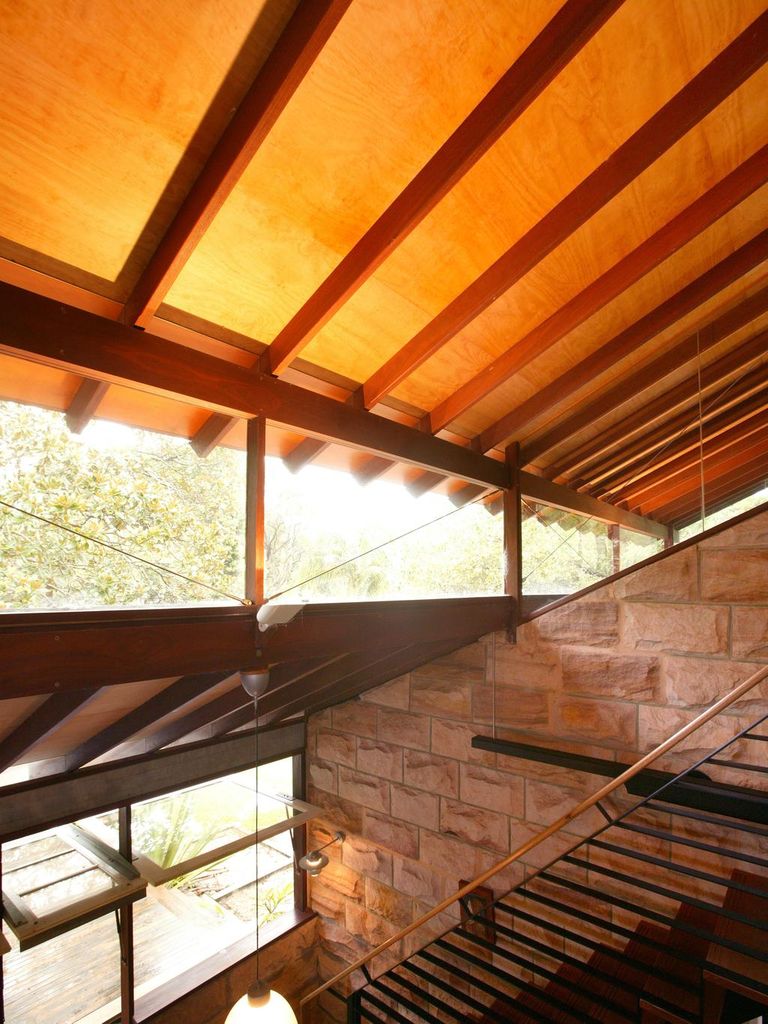
Raked ceilings in this house by Richard Cole allow for highlight windows to let in light and to hear the sound of the rain on the roof during storms. Picture: John Fotiadis

Even the sound of rain on the roof can have a calming effect at a time when stress levels are high. Townsend says nature can be restorative.

“Getting in touch with nature can be used therapeutically for healing,” she says.

More: richardcolearchitecture.com.au

The post How to experience nature without leaving your home appeared first on realestate.com.au.
No Comments

This introverted Newport house is designed for extroverts

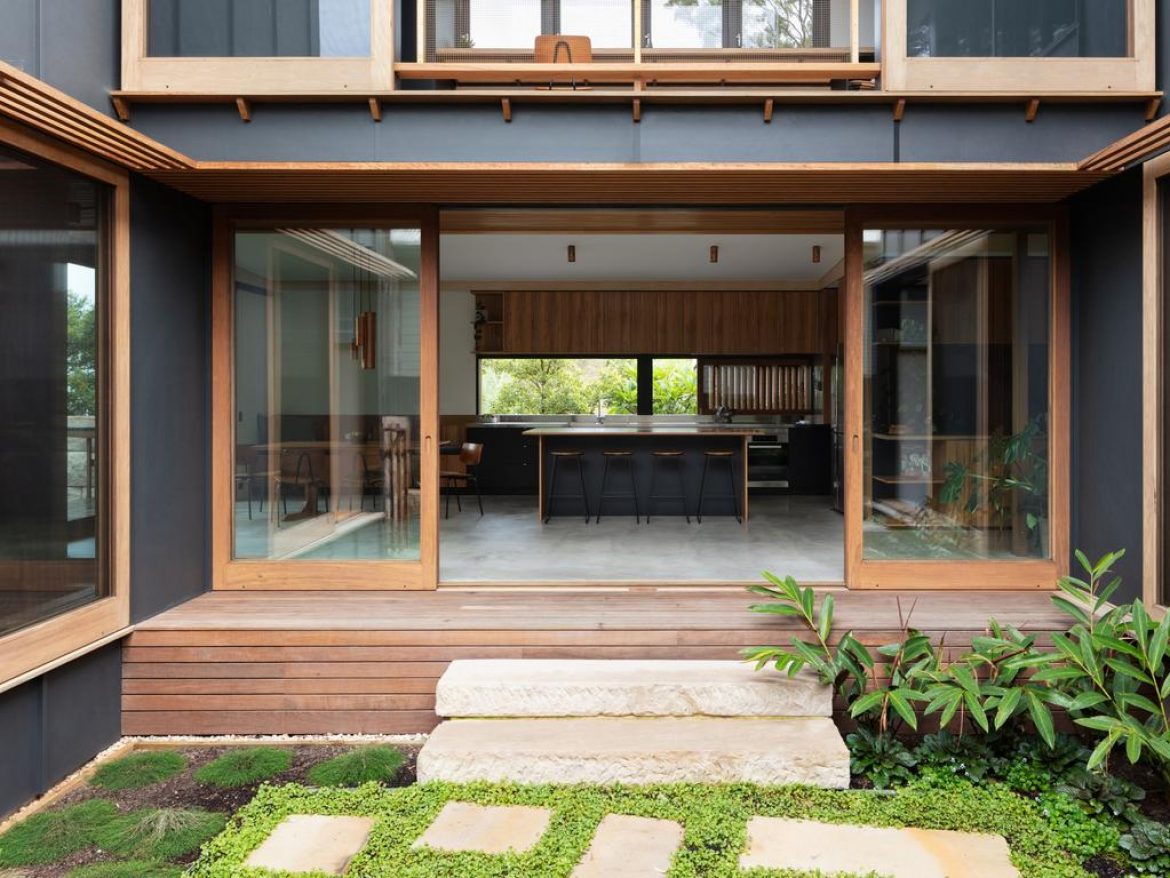
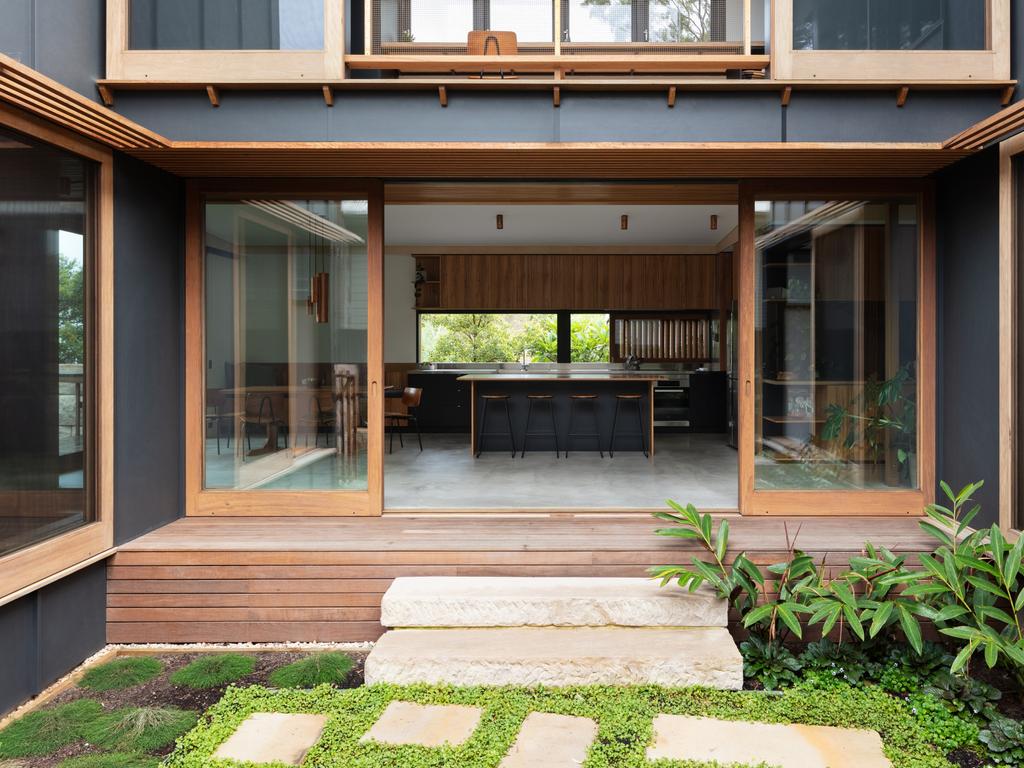
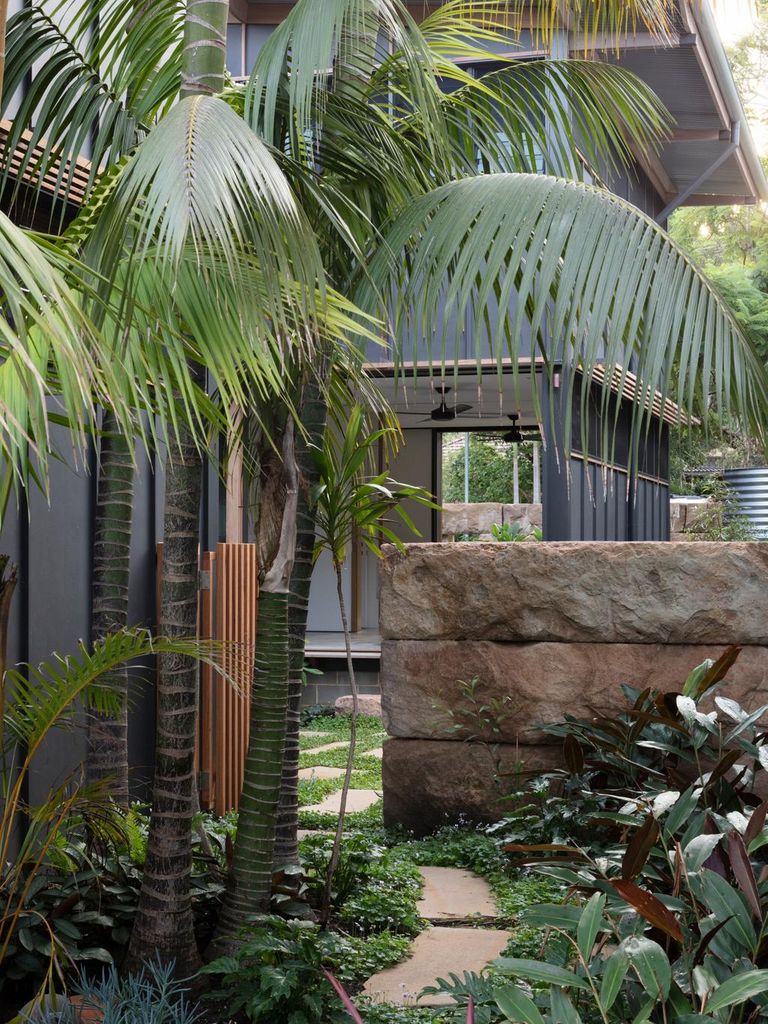
This house, dubbed the Tessellated House by architect Matt Elkan, has been designed with a series of private outdoor spaces. Picture: Clinton Weaver
When you have introvert and extrovert tendencies in the same family, creating a house that will keep everyone happy can be a challenge. Architect Matt Elkan says the original small cottage on this block in Newport was exposed to the street on two sides.

“The old house was in the middle of the block where every window faced out on to the boundary,” he says. “There was no good outdoor space and you couldn’t get light in.”

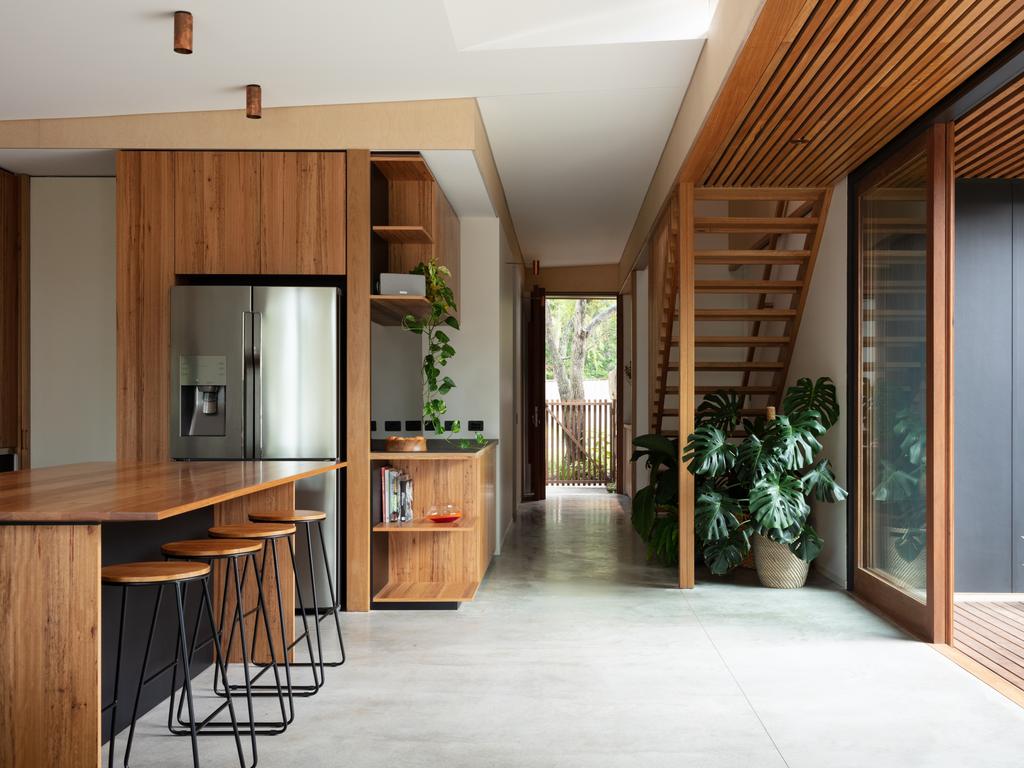
The kitchen is central to the floorplan on the ground floor. Picture: Clinton Weaver

The family of four were moving from a house at Bilgola Plateau to this site because it would provide a better connection to the shops and the beach for their teenagers.

“The old house is not far from where they live now but it was at the top of a steep plateau and it can feel really isolated,” Matt says. “It was a case of giving the kids what they needed.”

Matt designed a two-storey house in a U-shape. Three bedrooms are upstairs with an eastern wing for the parents and a western wing for the kids, linked by a study space.

Living spaces downstairs are deliberately articulated so they can be opened up or closed down as the need arises.

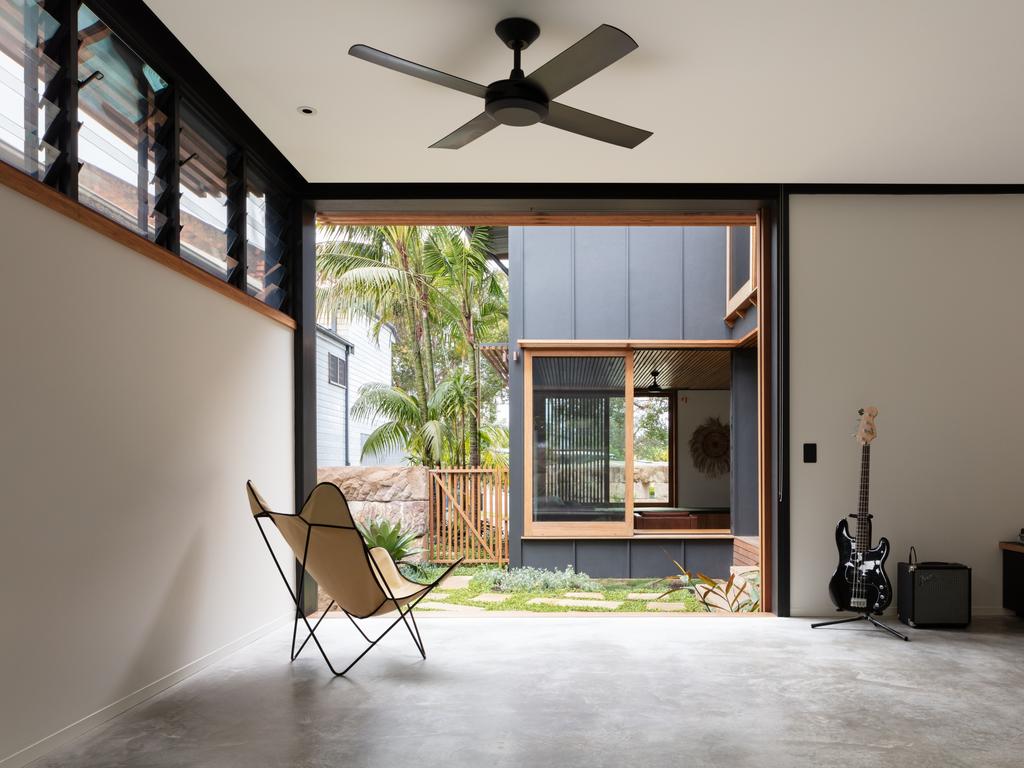
This room currently serves as a music room but could be converted into a self-contained flat. Picture: Clinton Weaver

“The ground floor has an area that could be blocked off as a self-contained flat if needed,” says Matt. “They wanted a bit of flexibility around this space.”

At the moment, it works as a music room but Elkan has future-proofed it, with plumbing concealed behind a desk for a possible kitchenette.

“There’s also a guest loo that could become part of the space and that room also has separate external access,” he says.

Treating the house and garden as a whole was key to the success of the project. Picture: Clinton Weaver

Treating the site as a whole, rather than a separate house and garden, was key to making the 550sq m block work. Views of treetops and plants can be enjoyed from most rooms, although lawn has been kept to a minimum.

Matt says council approval was straightforward, for good reason. “We were pretty keen to make sure we didn’t breach any council controls. It passed fairly easily — there were not any significant considerations.”

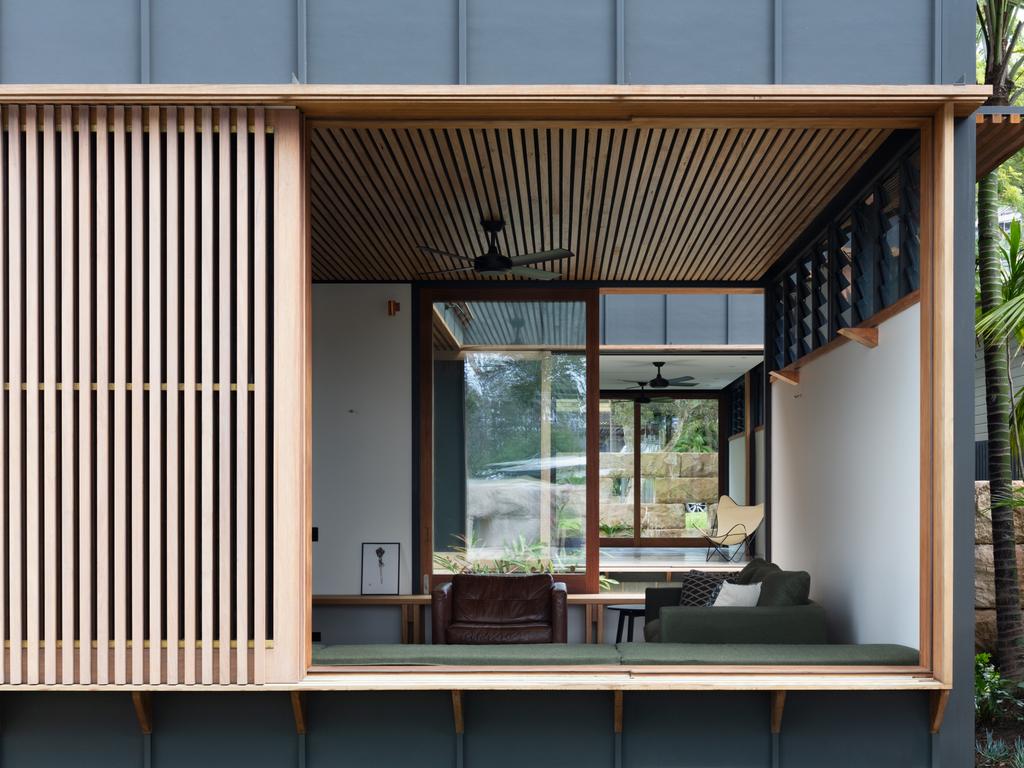
Large timber screens can be opened or closed, depending on the need for privacy. Picture: Clinton Weaver

Temperatures are moderated using louvred windows in summer and hydronic underfloor heating in winter. Best of all, the house works for everyone.

“The wife wanted connection to the street and the husband wanted space to be on his own,” Matt says.

“With the big screens at the front, she imagined pushing them back and seeing everyone as they passed. He imagined pulling them across and creating that sense of refuge.”

Everyone wins.

Pictures: Clinton Weaver

THE PROJECT

Owners

A couple with two teenage children

Architect

Matt Elkan, mattelkanarchitect.com.au

The brief

To replace a small cottage with a comfortable but thoughtfully designed three-bedroom house

The site

550sq m flat block in Newport

Design solution

A two-storey, U-shaped house with private outdoor space

How long did it take?

12 months to build

THE SOURCE

Builder Avalon Constructions, avalonconstructions.com

Landscape architect Lindy Hulton Larson, hultonlarson landscapearchitect.com Joinery Luke Geercke Cabinet Making, lukegeercke.com.au

Doors and windows Shamrock Joinery, shamrockjoinery.com.au

The post This introverted Newport house is designed for extroverts appeared first on realestate.com.au.