No Comments

QLD postcodes lead first home loan deposit scheme take-up

Queensland had the top two postcodes for FHBDS take-up.

New details into the First Home Loan Deposit Scheme have shown it to be an outstanding success, with two Queensland postcodes leading the take-up nationally.

The details were released as part of research by the National Housing Finance and Investment Corporation into the first six months of the scheme’s operation to June 30 this year, which saw the government match the loan deposit of 10,000 applicants.

MORE: Lockdown sparks renovation surge

Suburbs where it pays to knock down and rebuild

This home will have you climbing the walls

Frustrated couple checking bills at home using laptop

People of all ages across metro and regional areas around Australia were part of the first round of 10,000 that took up the scheme.

The NHFIC said there was strong demand for the deposit-matching scheme which was accessed by “people of all ages across metro and regional areas around Australia, and those who have moderate taxable incomes”.

“By postcode, demand for the scheme was highest in 4350, Toowoomba area, in southern Queensland (70 loans guaranteed). Other postcodes with large amounts of first home buyers supported by the Scheme were 4305, in southwest Brisbane, Queensland (56); followed by 2560, in South Western Sydney, NSW (54); 3064 in northwest Melbourne, Victoria (52); 3810 (49) and 3977 (49), in southeast Melbourne, Victoria; and 2570, also in South Western Sydney, NSW (47).”
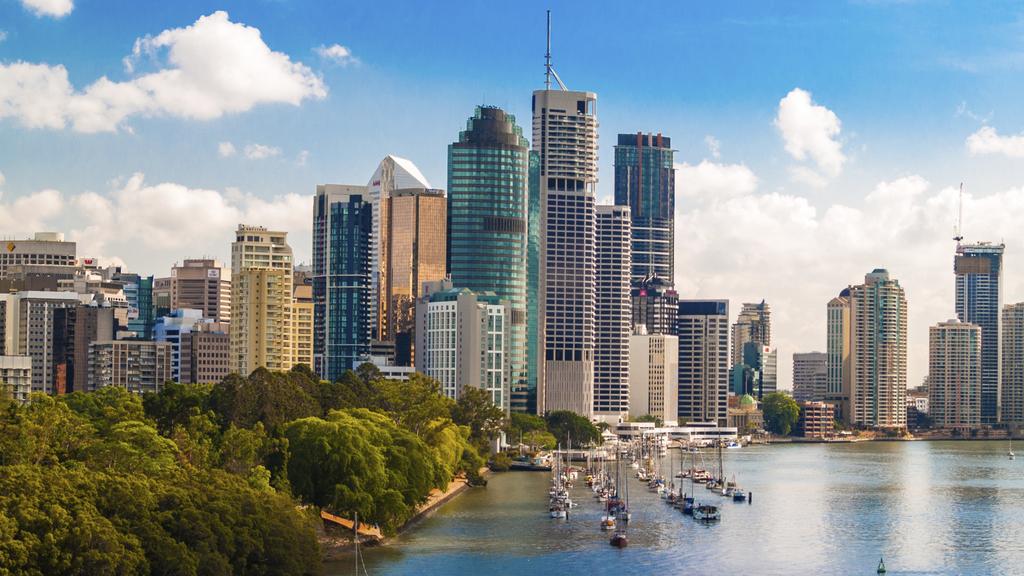
Supplied Money city skyline generic Brisbane

Two QLD postcodes topped those of the rest of the country for take-up.

It said New South Wales (2,263), Queensland (1,845) and Victoria (1,617) together made up eight out of 10 loans guaranteed under the scheme, while Western Australia and South Australia were less widely represented – something NHFIC attributed to “the longstanding Keystart and HomeStart low deposit home loan initiatives currently active” in those two states.

Half of those who used the scheme were single buyers whose incomes sat between $60,000 and $80,000, while couples were on household incomes of $90,000 to $125,000.

“Almost 70 per cent of buyers using the scheme purchased a detached house, with 25 per cent buying an apartment and 5 per cent purchasing a townhouse,” the NHFIC report said, with the median purchase price sitting at $385,000 for houses and $475,000 for apartments – most of which were in capital cities.

It found that of the first 10,000 participants who were approved for the scheme, 6,814 had either signed a contract or settled on their home, while 3,186 were at the loan preapproval stage and still looking for a property.

One in six of those were key workers, it found, of which 37 per cent were teachers and 25 per cent were nurses.

The health crisis across the country did not faze participants, with NHFIC chief executive Nathan Dal Bon seeing strong interest across age and income spectrums, as well as from buyers in outer metropolitan and regional areas.

“Demand for the Scheme in the six months to 30 June continued despite the onset of the COVID-19 pandemic,” he said.

Based on available settlement data, the national figures showed that one in eight first home buyers accessed the scheme, with 62.3 per cent in major cities and 37.7 per cent buying in regional areas.

“More than half of the homes purchased in capital cities were between 15 and 30 kilometres from the CBD, with couple applicants typically buying further away from the CBD than singles.”

The NHFIC report said of the 10,000 places released in the six-month period, more than half of the homes had settled (54.7 per cent), another 13.4 per cent had signed contracts to buy, and 31.9 per cent were pre-approved and househunting.

MORE REAL ESTATE NEWS

The post QLD postcodes lead first home loan deposit scheme take-up appeared first on realestate.com.au.
No Comments

How to suss out the good coaches from the bad ones

Getting certified to become a coach used to take 2,000 hours of coaching before being evaluated by a panel of experts. Today, anyone can call themselves a coach. We reached out to get Bernice Ross’s read on the coaching industry, the pandemic and what agents should be doing right now. 

No Comments

Revealed: What salary you need to buy into 10 popular Top End suburbs

TERRITORIANS need to earn an annual wage of just $30,000 to afford a home in one of the Top End’s most popular suburbs, according to new data.

New Finder analysis of CoreLogic data calculated the salaries required to service house loans in the Top End and found the top 10 suburbs that had the biggest salary drop across a three-month period.

Family suburb Zuccoli experienced the largest decrease of $27,218, with buyers requiring an annual wage of $30,119 to service a property loan.

Next was Katherine with an average wage of $37,994, a drop of $4836 across three months, followed by Driver with an average salary of $46,975 needed to service a property loan.

Real Estate Institute of the Northern Territory (REINT) chief executive Quentin Kilian said given the increased affordability in suburbs such as Zuccoli, which went from a median sales price of $670,000 in March 2016 to $447,000 in June 2020, it was a smart time to buy.

“If you’ve got the opportunity to buy into those suburbs because of the lower interest rates and the availability of stock and the fact that median price has come off so dramatically in the last five years, it points to more reasons to be buying rather than sitting on the fence,” he said.

MORE NT REAL ESTATE NEWS

Prime time to sell property, if the price is right

Mr Kilian said because the market was so volatile, Territorians considering buying should act now before prices increased.

“The indicators are all there to say that if you have been considering a purchase, whether it’s for residential living or whether it’s for residential investment, all of the factors are pointing in your favour to do it right now,” he said.

LIMITED TIME: New NT News subscription offer: $1 a week for the first 12 weeks

Finder insights manager Graham Cooke said with low interest rates and widespread housing affordability, it was the perfect time to buy.

“With the cash rate at an all-time low and not likely to move any time soon, there has never been a better time for borrowers to reduce their repayments or for first-time buyers to get on the housing ladder,” he said.

The post Revealed: What salary you need to buy into 10 popular Top End suburbs appeared first on realestate.com.au.

No Comments

JobSeeker cut will hurt low-income Melbourne renters: Anglicare

Case study: rental market

Ripponlea tenant Courtney Windross lost her job at a local restaurant due to COVID-19. Picture: Alex Coppel

The looming cut to JobSeeker is a “ticking time bomb” for low-income tenants, who face being priced out of the private Melbourne rental market if the payment returns to pre-coronavirus levels.

Just 84 rental homes across greater Melbourne are affordable for singles relying on the current JobSeeker rate of $1115 a fortnight, according to Anglicare Australia. This equated to 0.3 per cent of the 25,293 listings analysed.

That number will plunge to 15 (0.1 per cent) if the federal government slashes JobSeeker to $815 from September 25 as planned, and five (0 per cent) if the payment returns to its pre-pandemic fortnightly rate of $565 as is on the cards from December 31.

RELATED: Coronavirus exposes ‘chronic shortage of social housing’ in Victoria

Struggling Melbourne tenants ignored by landlords

Melbourne inner suburbs become renter’s markets, but affordability plunges for some

Anglicare is urging the government to permanently raise welfare payments.

It found affordability for low-income tenants had deteriorated since the pandemic struck in March, despite the boost to welfare and a rush of new listings triggering rental price declines.

Anglicare Australia executive director Kasy Chambers said the price falls had been concentrated at the higher end of the market, not the lower end, and coronavirus-related hardship had also fuelled more competition for lower-cost rentals.

New Treasury analysis showed almost 30,000 Victorians had started receiving unemployment benefits since the end of June, as a result of the devastating second wave.

Sad homeowner moving home after eviction

Low-income Melbourne renters will “struggle to stay out of homelessness” if JobSeeker is reduced, Anglicare Australia says.

“Even when jobs start reappearing in Victoria, the level of underemployment is going to be huge,” Ms Chambers said.

“If the plans (to reduce JobSeeker) go ahead, many people across greater Melbourne are going to struggle to stay out of homelessness.

“If they are able to, they’re likely to do so by making decisions about the quality and quantity of food they can get their families. We hear of two-minute noodles becoming a staple.

“This is a ticking time bomb. We must raise these payments for good.”

Ms Chambers said governments also urgently needed to address Victoria’s gaping shortfall of 102,800 social housing and affordable rental properties, and continue supporting struggling tenants and landlords through the pandemic.

Anglicare also found a family of four with two adults on the current JobSeeker could afford 1255 rentals across Melbourne (5 per cent). That would plummet to 102 (0.4 per cent) with JobSeeker’s looming cut, and nine (0 per cent) with a return to the pre-pandemic rate.

For a single JobSeeker recipient with a child aged above eight, the numbers were five, one and one respectively.

QUESTION TIME

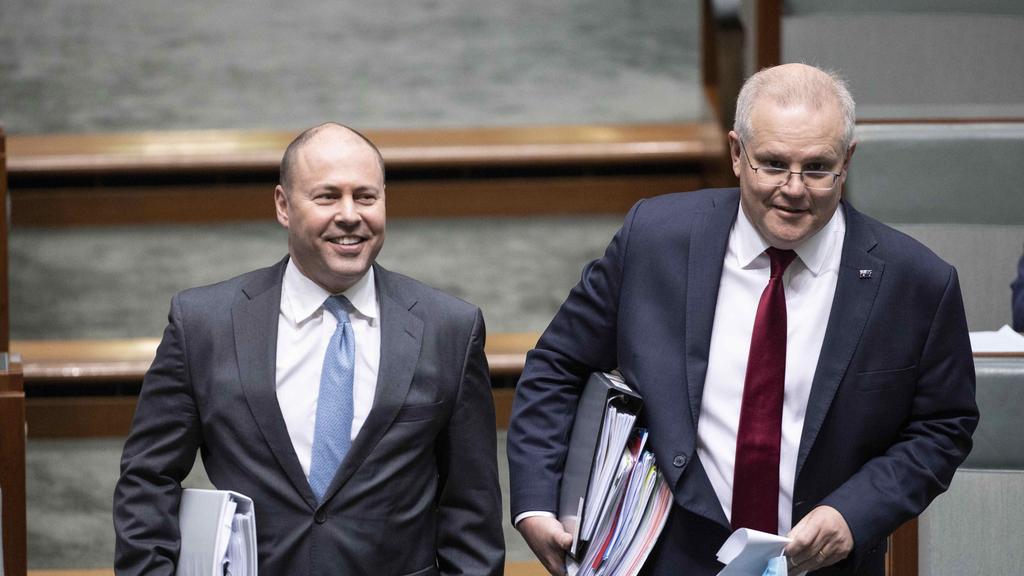
Prime Minister Scott Morrison and Treasurer Josh Frydenberg added a coronavirus supplement to JobSeeker in March, but Morrison’s government now plans to cut that supplement. Picture: Gary Ramage, NCA NewsWire

Tenants relying on the age pension, disability support pension and youth allowance also had slim pickings.

For minimum wage earners, 3207 Melbourne rentals (12.7 per cent) were achievable for double-income households with two children, 121 (0.5 per cent) for single-income households, and 61 (0.2 per cent) for single-income households with two children.

The report follows the Community Housing Industry Association, National Shelter, and Homelessness Australia joining forces to urge the federal government to invest $7.7b in building, acquiring and renovating social housing, to create much-needed homes and construction jobs to assist Australia’s COVID-19 recovery.

Homelessness Australia chair Jenny Smith warned homelessness would “skyrocket” without government intervention, due to growing unemployment levels and impending welfare cuts.

Meanwhile, the Victorian Government has announced it will offer to move high-rise public housing tenants at the greatest risk from coronavirus into private rentals as part of a $31.7m Tower Relocation Program.

The government said it would lease up to 420 private rental properties for two years as part of the program, which was designed to reduce coronavirus transmissions and open up social housing supply for Victorians.

MORE: Victorians tackle most home renovations, filling footy gap

Movie-length online auction goes $90k past reserve

Melbourne home values to be worst hit by COVID-19

samantha.landy@news.com.au

The post JobSeeker cut will hurt low-income Melbourne renters: Anglicare appeared first on realestate.com.au.
No Comments

How the Aussie property market has turned from smashed avo to scrambled eggs

Working From Home

Working from home for people like Talia Thornton, (with dog Fenton) has changed house hunting forever. Picture: Nicki Connolly

First there was talk of first-home buyers and their smashed avocado on toast, now another breakfast analogy has been cooked up to explain the current state of the property market.

“If smashed avocado had anything to do with housing affordability over the last decade, scrambled eggs will be the dish of the 20s,” said Propertyology head of research, Simon Pressley.

MORE: Tree change comes with glamping, mini donkeys

Homebuyers rocked by lack of confidence

The buyers’ agent and researcher said the traditional “fried egg” town planning model – where CBDs are filled with office towers, retail and high-density apartments (the yolk) surrounded by an urban sprawl (the egg white) – is about to be “scrambled”.

SUNTAS: Hobart woman Saumya Mehta, talks about the benefits of working from home in COVID times.

Working from home, for people such as Saumya Mehta of Hobart, is changing what they want from their lifestyle. Picture: Nikki Davis-Jones

The era of the smashed avocado, and its influence on property affordability appears to be over.

After six months of observing how COVID-19 has hit the real estate market, Propertyology came up with a number of property predictions.

“We’ll continue to live in a world of disruption until such time as a vaccine is available. But the disruption from this germ has been big enough and already lasted long enough for Australian real estate to have changed forever,” Mr Pressley said.

He said Australians are in the midst of re-evaluating their priorities.

“Before too long, there’ll be a big enough critical mass of people who will work and/or live at a different address to cause a structural shift in property markets,” he said.

“A germ does not diminish Australia’s total demand for shelter, but it will significantly influence where people choose to take shelter,” said Mr Pressley.

Knowledge-based employees and clerical workers have been able to test drive working from home and Mr Pressley said some may never want to go back to their office – or live near it.

Real estate fried egg is scrambling according to Propertyology.

Real estate fried egg is scrambling according to Propertyology.

A new kind of demand

More manageable mortgages, low density locations (that are less susceptible to future lockdowns) regional lifestyle destinations, and working from home compatibility will be on buyers’ wish lists from now on according to Mr Pressley.

With that in mind COVID-19 was “the final nail in the coffin” for high-rise apartments.

“This asset class was increasingly problematic pre-COVID. And now the future is uncertain for workers in hotels, restaurants and hospitality – who normally service international visitors. Ditto, the airline industry and international students. Many of this demographic are part of the egg yolk, renting an inner-city apartment,” he said.

Conversely, he anticipates detached houses within affordable metropolitan suburbs and desirable regional locations will gain popularity.

“We will progressively see some of that yellow yolk blend into the egg white.”

Hibernation pg 1 for Fri 21 Aug, case study photo shoot

Chin-Chuan Lee and his partner Mark Barrett moved out of Sydney to The Blue Mountains, due to COVID-19. Picture: Richard Dobson

The decade of decentralisation

Social demographer, Mark McCrindle said the egg metaphor for our cities was apt.

“We call it the sprawl and crawl model, because the cities continue to sprawl, and then people crawl their way back into the CBD for work. It’s had obviously some inefficiencies from a time and investment perspective, which has led to ridiculously high-priced property in the CBDs and lower prices out there on the fringe,” he said.

“The employment model has been such that people have needed to spend a long time commuting into that yolk. There’ve been attempts to create, if you like, multiple ‘yolks’ in the egg to allow the population to have their ultimate goal of living, working, and playing close to where they live. It’s been trending that way slowly, but COVID has really transformed things.

“Multiple egg yolks are better than a single egg. It spreads the population and it leads to those 20 or 30-minute cities, and that’s great. But it’s not the complete solution.”

Interstate migration_Capital_Regions_2019 by Propertyology. For scrambled eggs story.

Leaving the city behind. Source: Propertyology.

The regionalisation of real estate

According to Mr Pressley, where we work and how much we earn has always had a huge influence on where we live.

“The impact of these property economics will affect a big enough critical mass to influence future property market performance. As always, there will be property market winners and losers associated with changing economic conditions,” he said.

He added that the pandemic may be the “elbow in the ribs” Australia needed to implement a decentralisation policy and see the birth of “regionalisation”.

MORE: Auction that proves regions are booming

Bizarre NASA bubble house gets world’s attention

Pressley predicts a new era of regionalisation is likely to produce about twenty low-density towns and cities that will benefit from significant internal migration.

“Just think about which Australian locations provide people with the lowest risk of future COVID lockdowns and the lowest risk of restricted lifestyles,” he said.

“Which locations have an economic profile with an industry mix that is conducive to this new world, thereby providing greater household income certainty? Where one can buy a good quality detached house in a location that offers plentiful open space and a manageable mortgage?”

It’s not just about the money

Managing the mortgage isn’t top priority for all Australians escaping the city according to Nerida Conisbee, chief economist for realestate.com.au.

“We’ve seen tonnes of searches for property outside the cities – and it’s not an affordability thing. Northern NSW is one very popular location and if you have a look at how expensive those areas in and around Byron Bay are, it’s high.,” she said.

While Ms Conisbee agreed the traditional town planning model does fit the fried egg analogy, she said she is not convinced the future looks scrambled.

“What we’re seeing now, is that more people are working from home. I think regional Australia will be a beneficiary of this. We’re already seeing very high search levels in regional areas, and I think that’s because some people have realised they don’t need to be in the city all the time. I’m not sure if it’s a scrambled egg, but yes, there will be more of a spread,” she said.

Interest in Byron, including the magical Crystal Estate, is booming.

Cities of the future

“We’ve decoupled work from location, and so now most work in a knowledge economy can be done regardless of location. That’s been the trend, but we should keep in mind that the CBDs will still be required and will thrive in the future,” Mr McCrindle said.

The inevitable change to our work set ups will have a domino effect on property prices.

“We’ll see regional areas and the outer ring suburbs do a lot better, because now we have decoupled work from location and reduced the commuting frequency. But workspaces will still required in the future,” he said.

Fried eggs are yesterday’s real estate dish says Propertyology’s Simon Pressley.

“So someone in the outer ring of a city might only be commuting an hour and a half two days a week, not five. Or someone in a regional centre still might need to go to a city, but only a couple of days a week. That’s a game changer and therefore opens up regional and outer suburban living for a lot more people.”

Quality inner city apartments such as Surry Hills Village, remain in high demand.

Where to next for units

Ms Conisbee warned we shouldn’t place inner city and suburban apartments in the same basket.

“It’s always been higher density properties in outer suburban areas that have struggled and I don’t think that will change. COVID has just made it even more challenging.

Benefits of working from home. Research from Propertyology and McCrindle.

Benefits of working from home. Research from Propertyology and McCrindle.

“What people want is a bit more space and that’s showing in the search data,” she said.

But that doesn’t signal the death of all property within the inner city “yolk”.

“Working from home might still be a bit of a novelty for some, but I think people get a lot out of working with others, and being near other people in their industry, that won’t change,” she added.

MORE
: Gene Simmons kisses stunning LA home goodbye

How COVID-19 has changed homeowners

Mr McCrindle also said he didn’t see the final nail in the coffin for apartments.

“We still love detached homes, and townhouses, but we’ve had quite a few decades now of apartment living. The model has worked for a lot of people from a lifestyle perspective. Older Australians are loving apartment living,” he said.

Working from home study by Propertyology and McCrindle.

Working from home study by Propertyology and McCrindle.

“Walkable communities that we’ve liked for so long, the cafe and restaurant culture that surrounds these apartments or high density population areas is something Aussies love and that will bounce back after COVID.”

Ms Conisbee maintained there will always be a demand for city living.

“Our cities will recover, but it is going to be quite painful between now and that recovery, and that’s where we’ll start to see a bit more of a redistribution of people in that short to medium term. But longer term, there’s definitely still a place for our cities,” she said.

MORE: Why you may struggle to find a new home


Tears flow early on The Block

The post How the Aussie property market has turned from smashed avo to scrambled eggs appeared first on realestate.com.au.
No Comments

Demand for affordable housing set to soar

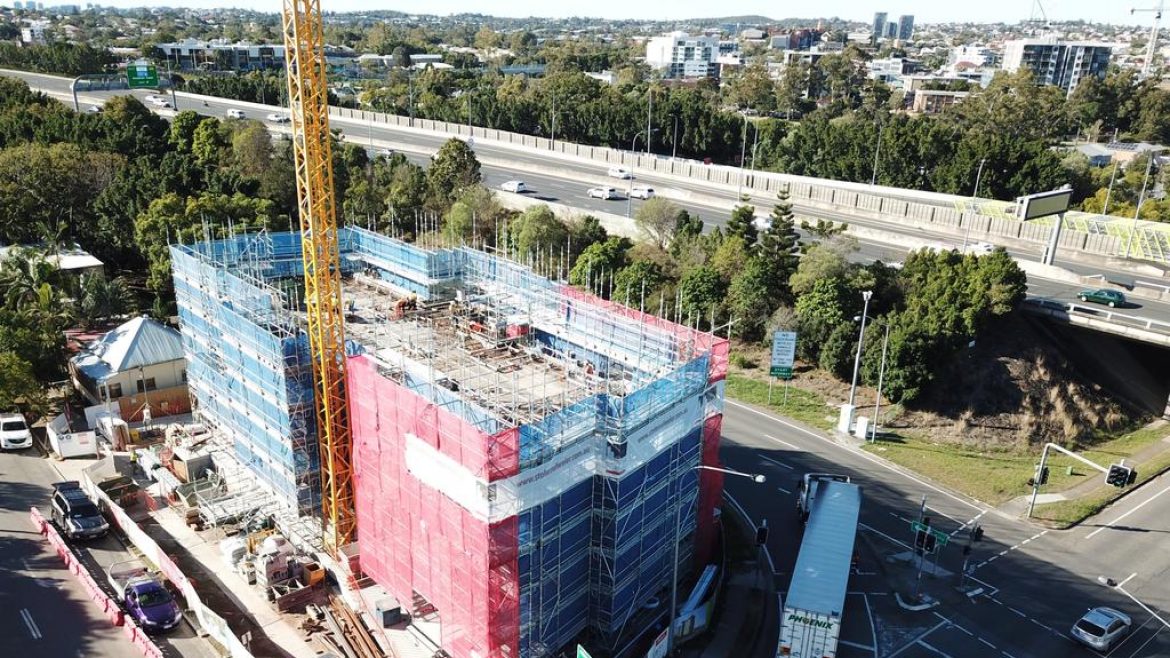
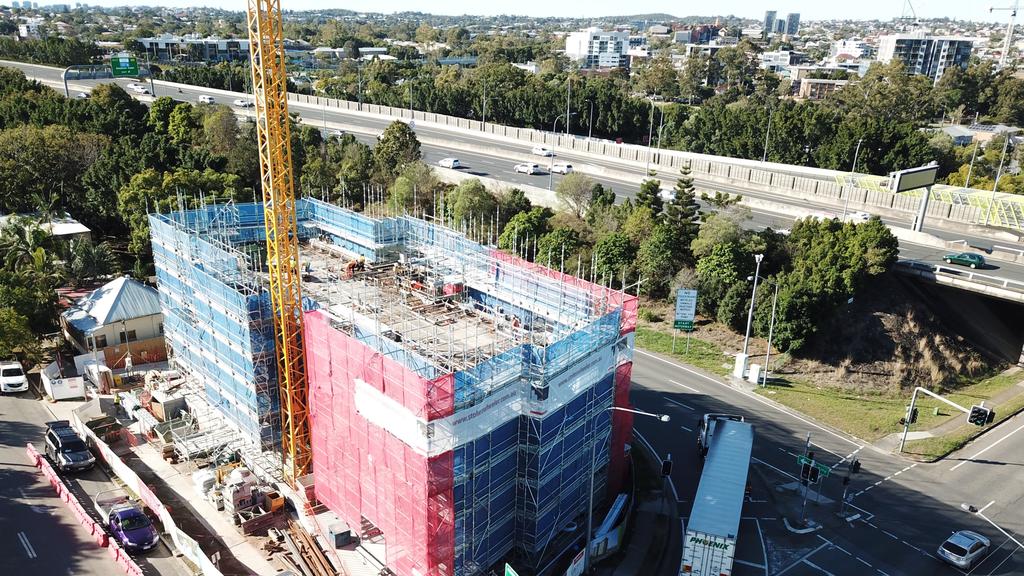
More affordable housing projects like this one on Cornwall Street, Woolloongabba, are needed for Queensland.

Demand for affordable housing in Australia is expected to almost double in the next 16 years with the workers whose jobs have been listed as essential during the COVID-19 pandemic among the most at risk.

Brisbane Housing Company chief executive Rebecca Oelkers has told the Committee for Economic Development of Australia that a stimulus package for social and affordable housing, similar to the one that helped Australia recover after the Global Financial Crisis, is needed to stop the number of people looking for affordable housing soaring from its current level of 400,000 to 730,000.

MORE REAL ESTATE STORIES

Developers give graffiti art and books the green light

She said in 2008 the Federal Government spent $5.2 billion on social and affordable housing, which equated to 19,500 new houses and 80,000 home refurbishments.

The construction site in Woolloongabba.

The Community Housing Industry of Australia, of which Ms Oelkers is deputy chair, has put forward a $7.3 billion Social Housing Acceleration and Renovation Program, which would lead to 30,000 new affordable housing dwellings being constructed.

She said institutional investors also needed to see affordable housing as a long-term stable project in which to invest superannuation funds, instead of going overseas to potentially fund affordable housing in other countries.

“This is an issue the whole community needs to get behind,” Ms Oelkers said.

“Are we OK with 116,000 homeless people and 400,000 people who can’t put food on the table for their families?

“They are our key workers, assistants in nursing, teacher aides, the cleaners, the coffee makers, the people cleaning our hospitals, there’s so many people doing really good jobs but low paid jobs. They spend 50-70 per cent of their household income each week on rental costs and at the end of the day that’s not sustainable. There’s no money for school books or food.”

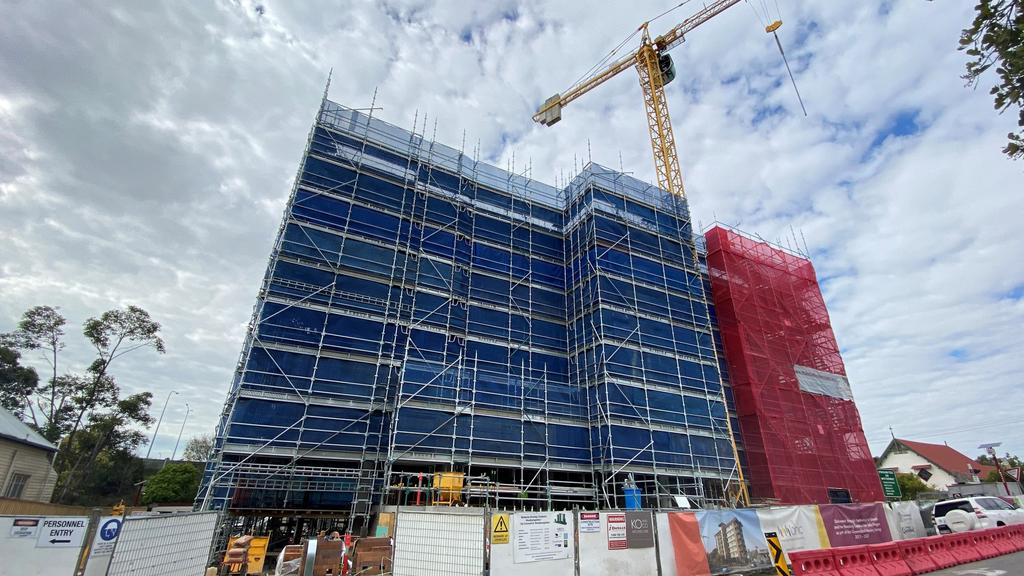
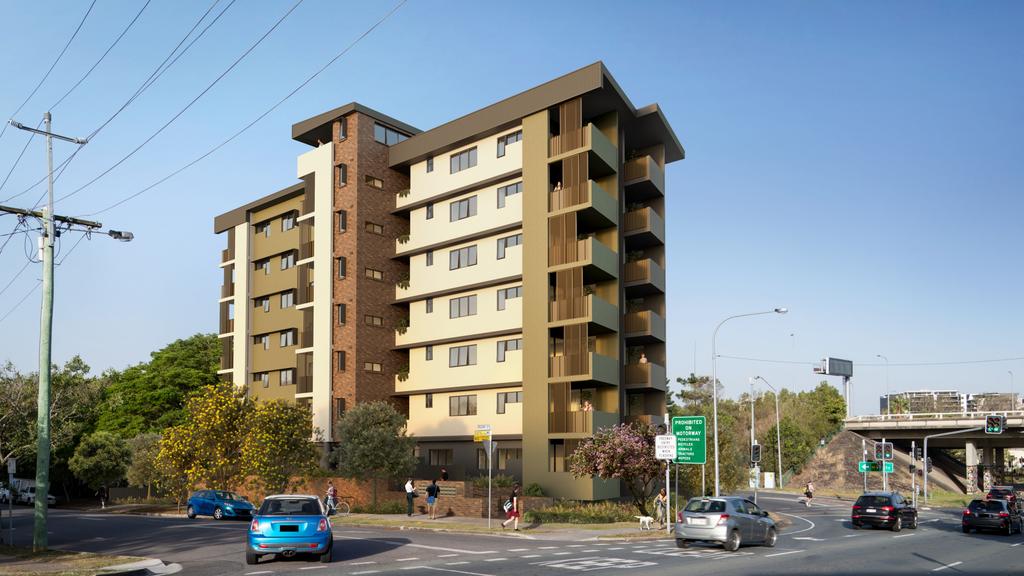
In the inner-Brisbane suburb of Woolloongabba, Brisbane Housing Company and Stoke Wheeler builders are working on an eight-storey affordable rental complex on Cornwall Street.

“We’re using surplus government land where it was going to be hard to do any other kind of development and we are building 32 units,” she said.

An artist’s impression of the Cornwall Street development at Woolloongabba.

Five of the units are being built in partnership with the Brisbane Youth Service for young people, and the others will be offered to key workers who are struggling to make ends meet.

“The provision of affordable housing is the fabric of Australian society, what kind of society do we actually want to have? At the moment, this gap is not an insurmountable gap.”

The state government announced a
$24.7 million immediate response fund to help with housing support in the wake of COVID-19. A Works for Tradies program is providing 215 social housing units across Queensland, and builders, developers and councils are encouraged to apply for a Building Acceleration Fund for works that will provide long-term employment in the construction industry.

Ms Oelkers welcomed the measures but said the current crisis needed an additional investment.

“The problem is so huge and right now is the time for government to spend and stimulate the economy.”

The post Demand for affordable housing set to soar appeared first on realestate.com.au.
No Comments

US-based buyers quick to snap up Ocean Grove ‘dragon scale’ house

11 Asbury Street West, Ocean Grove sold in a week, dashing the hopes of interested buyers locked down in Melbourne.

California-based buyers on a well-timed trip back to Australia have pounced on Ocean Grove’s ‘dragon scale’ house just a week after it hit the market.

They paid $2.2m for the striking modern builder’s own home with a swimming pool and treetops views at 11 Asbury Street West.

Fletchers, Queenscliff agent Liam Rock said the unusual design, featuring bold black steel shingles, attracted a lot of attention.

RELATED:
Wave of city-slickers to hit Geelong

Alistair Knox mud brick house sells at Anakie haven

Geelong waterfront house smashes reserve by $365K

Entertain by the pool and spa.

But the quick sale dashed the hopes of many Melbourne buyers who had hoped to inspect it once stage 4 restrictions were lifted.

Mr Rock said the US-based expats had friends and family in the area and happened to be in town on the eve of the campaign launch.

He said they had since returned to California and planned to the use the three-bedroom house as their Australian base.

My Home - Sam Van Deuren

Jess and Sam Van Deuren, with children Otis, 4 and Lexi, 3, built the house in sought-after old Ocean Grove. Picture: Peter Ristevski

“We had a lot of inquiry, as you would expect a lot from Melbourne, from people who can’t come down,” he said.

“In terms of the buyers it was a lot to do with the design and the layout and the location, that aspect with the treetops and river glimpses.”

Sam Van Deuren, from Vand Builders, and his wife Jess put the finishing touches on the two-storey house for their young family earlier this year.

Architectural windows frame the treetop views.

A curved bench features in the kitchen.

Concrete basins are a luxury touch in this bathroom.

The Holman Design home, dubbed Black Swell, features dual living and outdoor entertainment areas and a minimalist aesthetic with 4m high architectural windows and polished concrete and engineered oak floors.

“It definitely capitalised on the site and the location and the outlook,” Mr Rock said.

“They built something different which stood out, it’s beautifully done and it was a great result.”

The north-facing balcony overlooks the backyard.

The property is walking distance to the Barwon River.

He said Ocean Grove’s property market, including high-end sales, had not slowed during current COVID-19 restrictions.

But he predicted a flood of Melbourne buyers once things were eased.

“We are still getting people inquiring about places,” he said.

“It gives people from Geelong and regional Victoria a chance not to have to compete with those Melbourne buyers.”

The post US-based buyers quick to snap up Ocean Grove ‘dragon scale’ house appeared first on realestate.com.au.
No Comments

Jennifer Hawkins and Jake Wall rumoured to have bought Whale Beach renovation project

Myer preview pic for p3

Jennifer Hawkins and husband Jake Wall are rumoured to have bought in Whale Beach. Picture: Dylan Robinson

Having pocketed a stellar $24.5m from the sale of their Newport waterfront home, Jennifer Hawkins and Jake Wall could have bought anything they fancied on the ­Central Coast.

But rather than head closer to family as initially touted, the glamorous couple appear set to remain for the time being on Sydney’s northern beaches, where they have always done so well both on the ocean and Pittwater.

MORE: Epic regional homes for less than a basic Sydney house

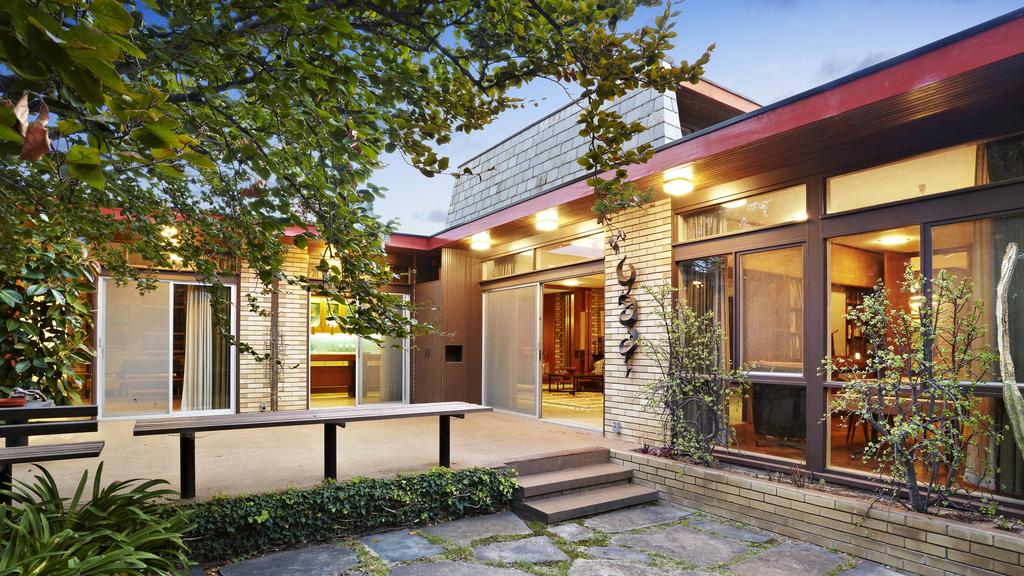
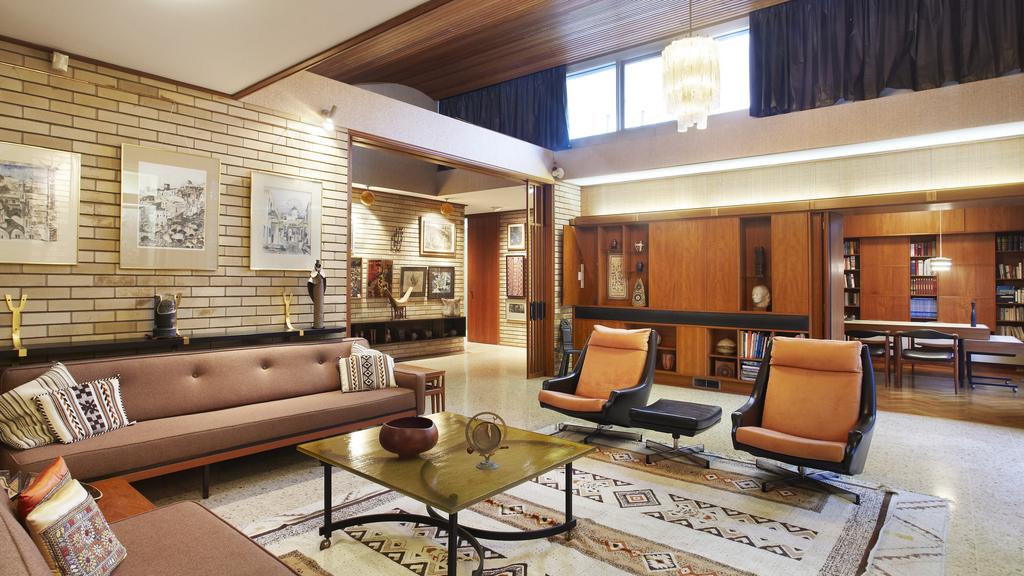
Time warp home from 1840 resold after century

Supplied Editorial 24-26 Rayner Road, Whale Beach, NSW 2107

Could this be their new reno project?

Supplied Editorial 24-26 Rayner Road, Whale Beach, NSW 2107

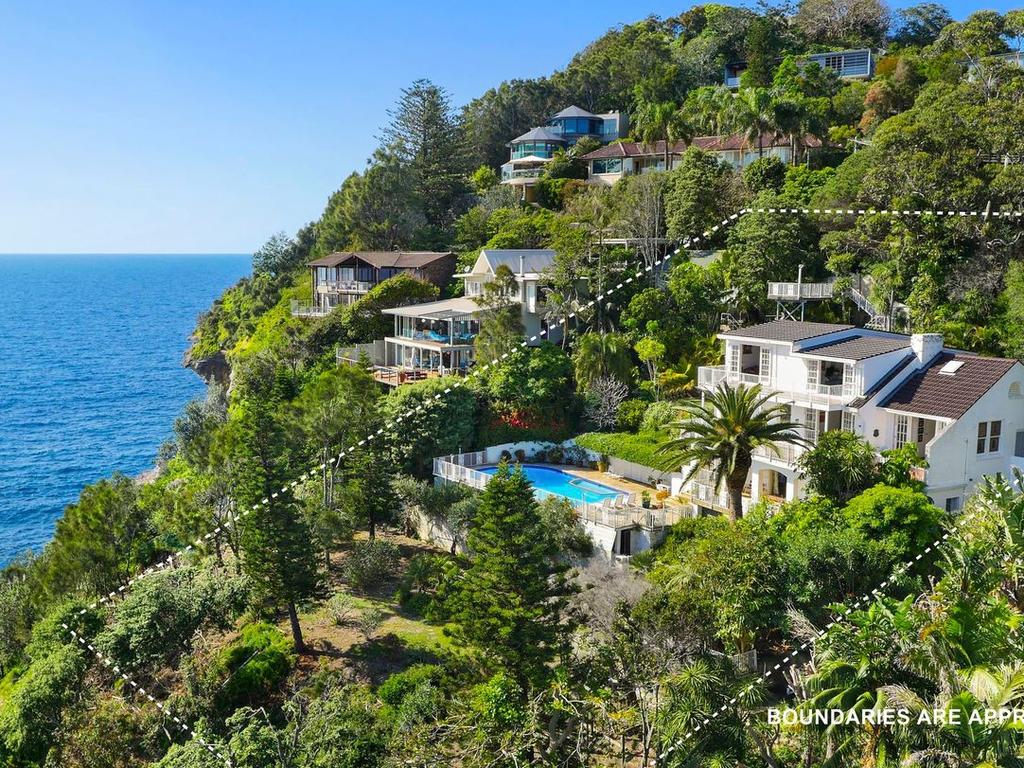
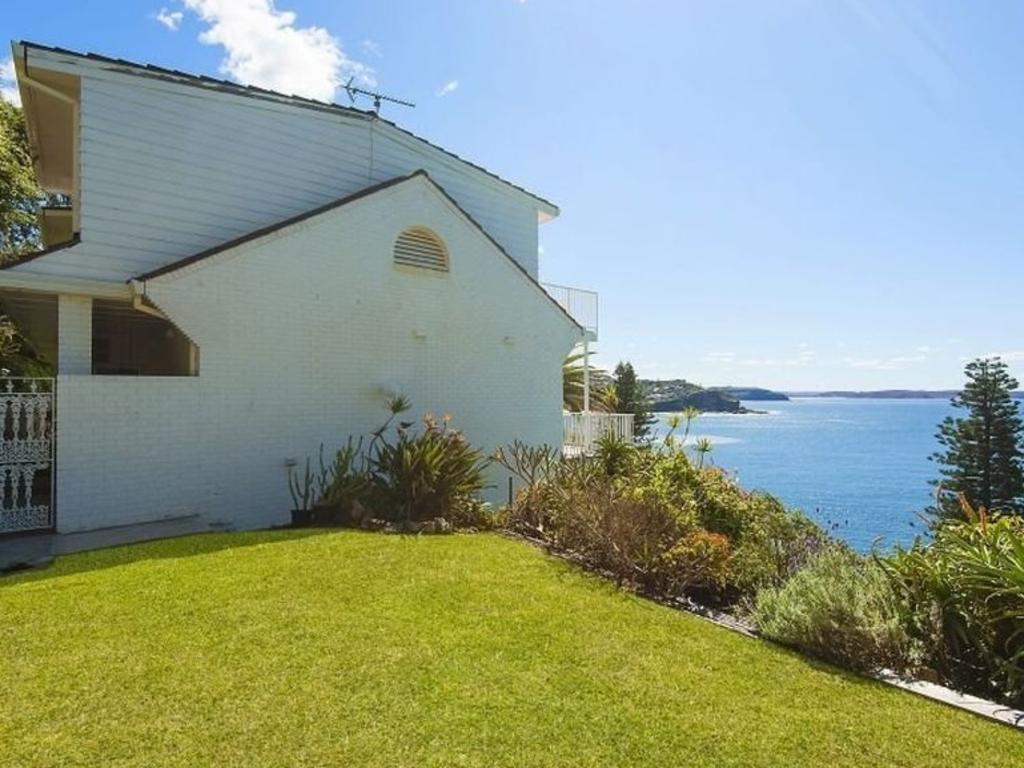
It is on the peninsula’s largest oceanfront estate.

The unconfirmed whisper is they found an amazing opportunity at Whale Beach. Maybe the restoration of Rocca Bella, a 1950s time warp?

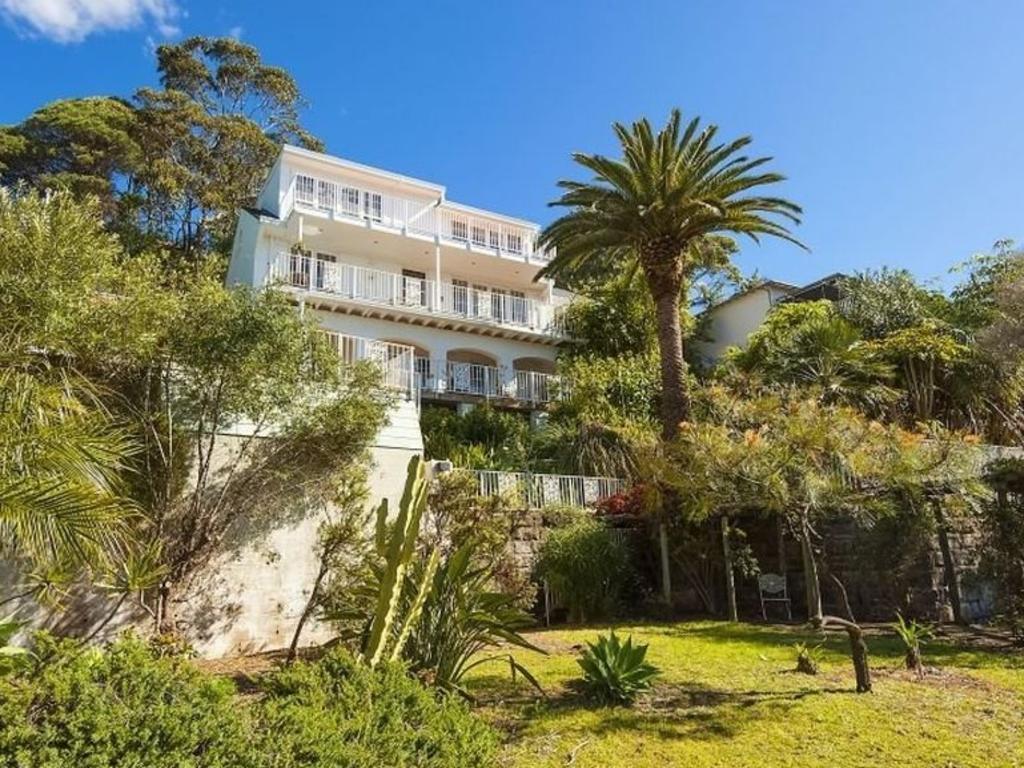
The three storey house is set on 3300sqm, the peninsula’s largest oceanfront estate.

The estate was sold last month for $6.95m, two weeks after their own sale of Casa Paloma to Mike and Annie Cannon-Brookes through Christie’s International agent Ken Jacobs.

Supplied Editorial 24-26 Rayner Road, Whale Beach, NSW 2107

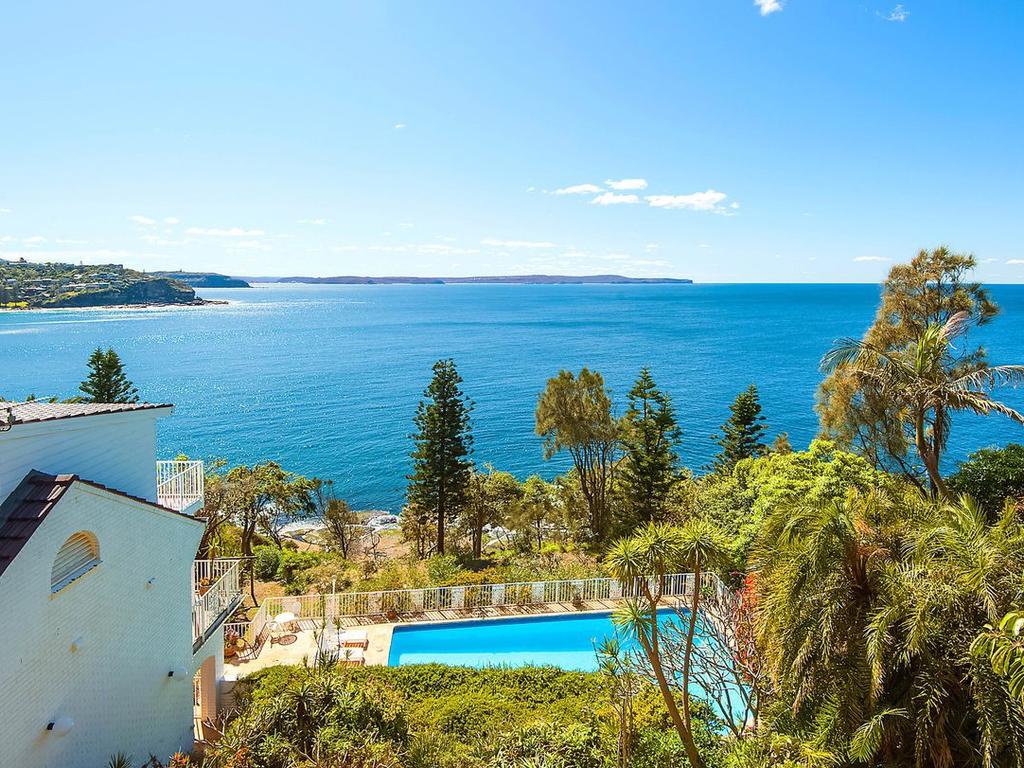
Check out the view.

Supplied Editorial 24-26 Rayner Road, Whale Beach, NSW 2107

It is set on 3300sqm of land.

Rocca Bella, best known when owned by the late ­soprano Dame Joan Sutherland, had been was listed in 2018 by the Tarabay family with $8m hopes, then ­returned to the market with reduced expectations earlier this year through LJ Hooker agent David Edwards.

The post Jennifer Hawkins and Jake Wall rumoured to have bought Whale Beach renovation project appeared first on realestate.com.au.