Virtual renovations and 3D renderings can be powerful tools in marketing properties that are currently under construction, haven’t been built yet or need a little facelift. So, what does the process entail, and how does it work?

Blog
Month: <span>July 2020</span>
This year, Zoom proved to be essential in connecting with your sphere, generating more leads and marketing your listings. Here are a few productive and fun ways you can make the most out of the platform.
In this day and age, if potential clients can’t find a review for you, they’re quite likely to move on to someone who does business like it’s 2020, not 1985. Here’s how to boost some social proof for your business through online reviews.
In this advice column, Marketing Mastermind Christy Murdock Edgar answers three burning questions from the real estate industry at large. This time, we’ll look at a few distinct challenges presented this year and how to move forward, brought to you by experts from Inman’s Town Hall.
What have you been using to up your content game lately? This week, we’re asking you to share the essential, go-to tools in your social media marketing toolbox.


Lawyer Michael Croke has sold in Kings Cross.
Lawyer Michael Croke, sentenced last week to three years and nine months for perverting the course of justice, secured $1.95 million for his recently sold Kings Cross office.
Croke had sought $2.3 million for the Kellett St offering through Tristan Bassey and Nick Chalipilias at Ray White to fund his legal bills.
MORE: Insta model’s first buy in Bondi
Celebrity hair stylist shocked by quick sale
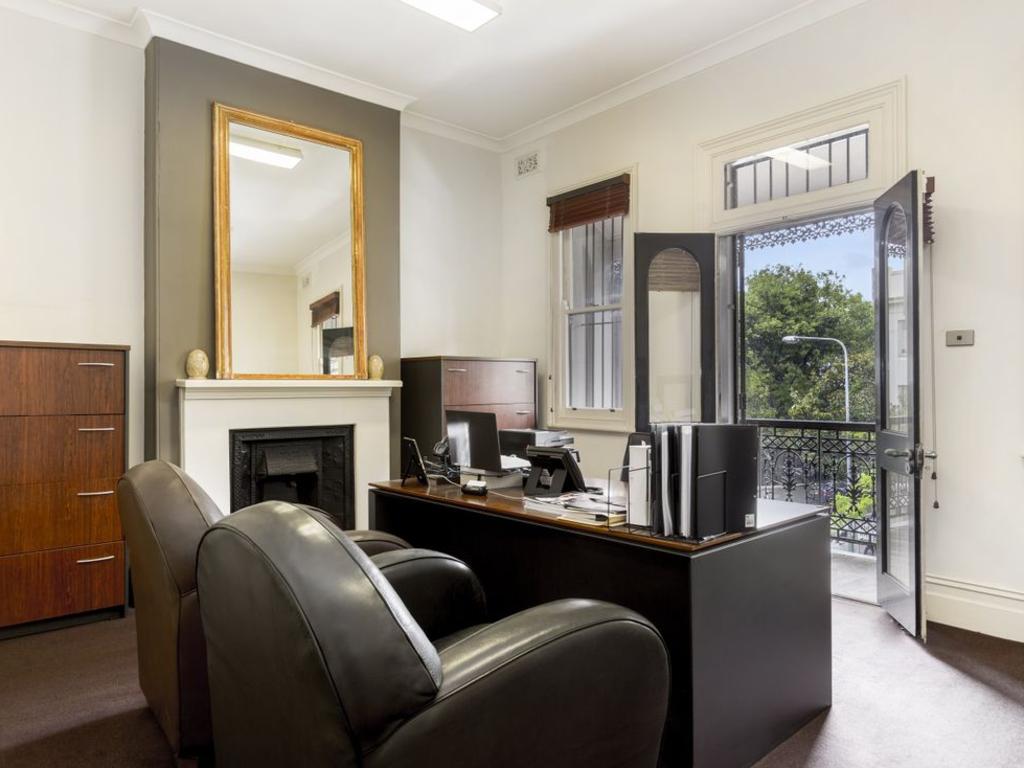
The property was used as an office.
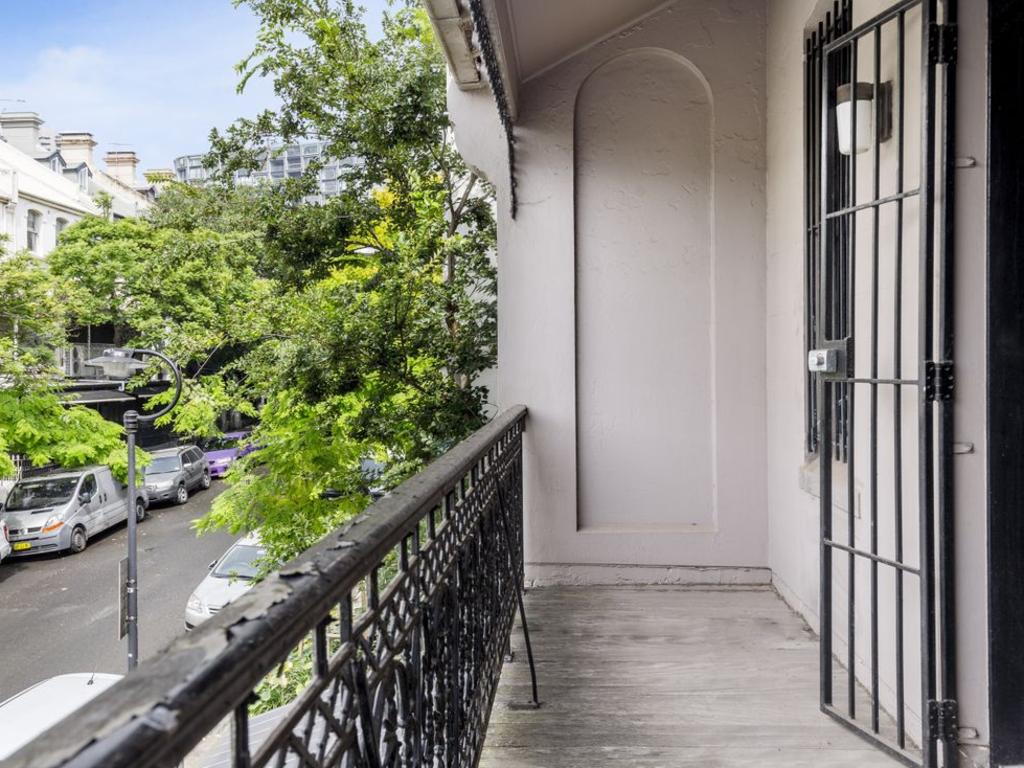
Inner city living.
The court charges concerned a $700,000 bag of cash seized from a person staying in the Hilton Hotel in 2011.
Croke assisted a criminal group in their attempts to convince the police the money was from a legitimate source.

It is spread over two levels.
The two-level terrace had 170 sqm of space, with shelving full of Croke’s own case files.
The post Lawyer Michael Croke sells Kings Cross terrace for $1.95m appeared first on realestate.com.au.
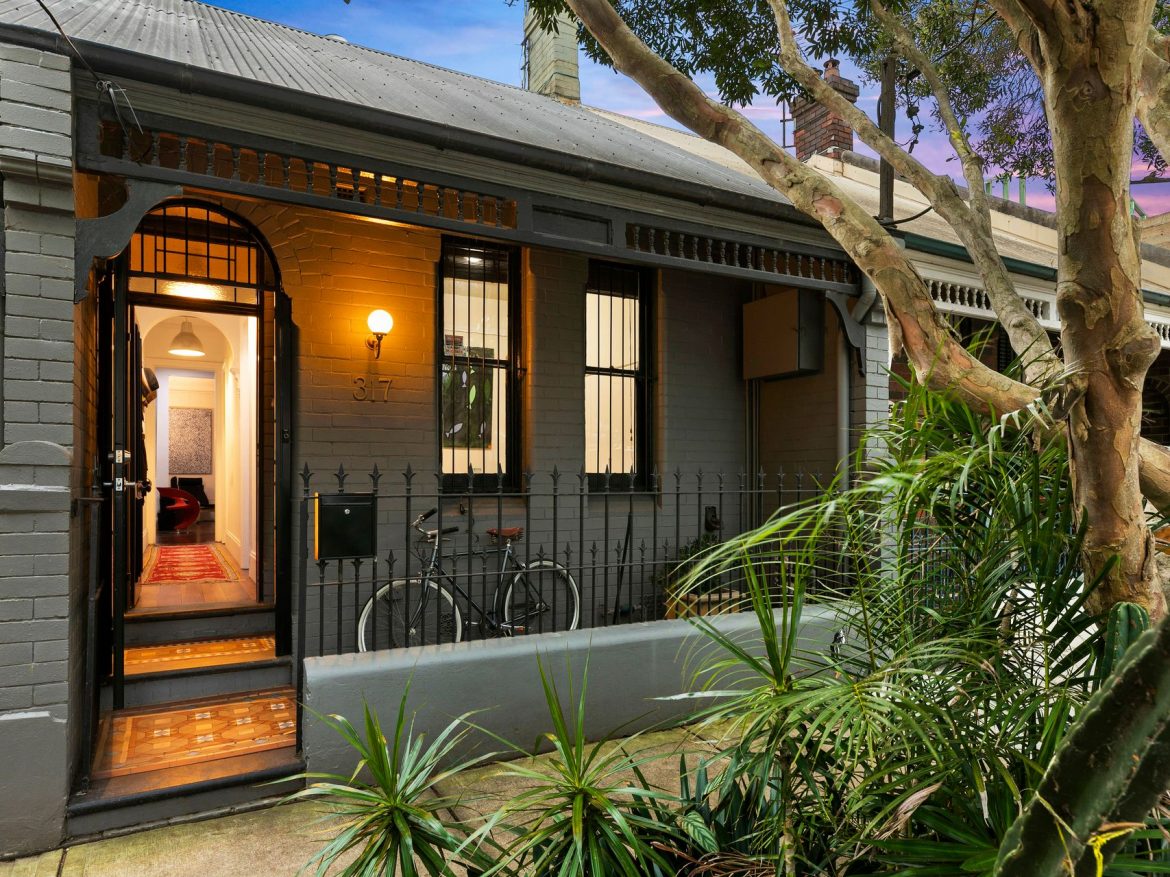
Residential property deals are falling over and homes are being readvertised amid COVID-19 uncertainty and financial belt-tightening.
Data compiled by realestate.com.au shows a growing trend in the number of ‘under offer’ listings being readvertised, prompting speculation that deals are falling through because of tighter lending restrictions by the banks and home buyer cold feet.
- Click through to see the increase in boomerang homes during COVID-19
Week-on-week figures from realestate.com.au between January and July 2020 shows an increasing number of boomerang homes nationally– that is, properties returning to the market after having an offer accepted.
While there is no requirement for agents to notify realestate.com.au of confirmed sales, the available data highlights a trend in properties transitioning from ‘under offer’ back to ‘for sale’ rather than the site’s ‘sold’ listings.
Banks tighten up as buyers back away
At the start of the first COVID-19 lockdowns, there was a large spike in the number of ‘under offer’ properties across the country that went back on the market with a jump from 13.08% to 17.97% in the week commencing 23 March 2020. The following week the number dropped to 13.76% before decreasing even further but has gradually risen since mid-April.
“The end of March was a very bad time for the economy and for property and confidence,” said Nerida Conisbee, chief economist at realestate.com.au.
“It was between when we went into lockdown and the next stage, which was the stimulus packages. There was a lot of uncertainty around that period and as a result home buyers got cold feet and banks were being super cautious about who they were lending to.”

Banks are being extremely careful when it comes to an individual’s employment situation during the health crisis. Picture: realestate.com.au/buy
Ms Conisbee said that reticence had continued with Australia’s growing unemployment.
“We are finding that banks are well-capitalised and they’re not under pressure, but they are nervous about the situation, particularly the unemployment situation,” Ms Conisbee said.
“On one hand, they are lending and they have enough money to lend but they’re being very careful about who they lend to.
“The banks are having to look very carefully at a person’s ability to pay back their loan and in the situation where unemployment is rising, they would be looking very clearly at an individual’s employment situation. I can’t see that changing any time soon.”
Ms Conisbee said it was likely the situation was not quite as dire now and welcomed this week’s announcement that the Federal Government’s JobKeeper and JobSeeker stimulus would be extended until March 2021, albeit reduced.
Jesse Jones, sales agent at McGrath Estate Agents St Kilda, said buyers were seeking to capitalise on the low cash rate with enthusiastic first-home buyers flooding the market. But their excitement was often curtailed with banks less eager to lend than pre-COVID times.
“In June I exchanged on five properties and two of them fell over due to the purchaser being unable to obtain finance,” Mr Jones said.
“We had a couple that had made an offer on a property at the right terms and the vendor was very happy to take that, but unfortunately due to COVID the wife’s employment was terminated and the bank then messaged us directly terminating the contract as a dual income was their policy and there was no way around it.
“It’s very similar to probably about 18 months ago prior to the royal commission into banking where banks started becoming extremely difficult to get money from. I don’t see any changes happening until we’re on the other side of this thing.”

Agents are seeing more homes return to market due to buyers’ inability to secure finance. Picture: realestate.com.au
Sam Boer, chief executive at mortgage broking group Smartline, said financial institutions were enforcing tougher measures to ensure borrowers could meet the terms of the loan, and collapsing deals were the fallout of this hard-line stance.
“Properties being relisted is a function of purchase contracts falling over as a result of the buyer’s financial situation materially changing [for the worse],” Mr Boer said.
“This is not new, however, has been significantly amplified during COVID-19 as many Australian workers have been stood down and/or had their income reduced.
Banks expected to continue with tighter lending rules
Mr Boer said he expects this trend will continue until the impact of COVID-9 abates and the economy begins to recover.
“Lenders have introduced steps and process checks to make sure new borrowers can still afford to make their loan payments right up until loan settlement date. Some are even asking for updated payslips from customers as a settlement condition,” he said.
“This way the lenders protect themselves under their responsible lending obligations and don’t extend credit to a customer whose income situation has changed from when they first applied for a loan.”
Mr Boer added homebuyers should be confident that their employment was secure and their income was unlikely to change prior to committing to purchasing property.
“There is no point progressing with a property purchase if [home buyers- cannot afford the loan and most likely end up needing to resell the property at a loss more than what they might otherwise incur,” he explained.
“I would also try to negotiate with the selling agent to remove the ‘forfeit deposit’ clause in the contract of sale to protect the buyer’s funds.”
The post Boomerang homes: More homes returning to market during COVID-19, data shows appeared first on realestate.com.au.

Property managers around the country will be using National Property Manager’s Day on 24 July to mark one of their most challenging years yet.
The coronavirus pandemic has put immense pressure on the rental market and property managers have pivoted quickly to handle legislative changes to tenancy acts, rent negotiations between tenants and landlords and larger portfolios than they may have previously had – all of this while working completely mobile and paperless.
By going above and beyond their job descriptions, these real estate professionals have helped keep many Australian tenants in a home and ensured landlords are able to continue paying off their mortgages.
Leah Calnan, president of Real Estate Institute of Victoria, said property managers deserve to be celebrated because “they are the conduit in every tenancy.”
“They manage the difficult conversations, they deal with the issues, they provide support to both parties at different times and they need to have an understanding of legislation, maintenance, finances and social work,” Ms Calnan said.
The future for property managers continues to look like it has over the past few months, however, most have found themselves adapting to a new norm.
They have supported emotional clients
There is no denying that most Australians are going through a highly emotional time, in fact, Lifeline Australia experienced a 25% increase in calls for help in March 2020 compared to the same time last year, with the majority of callers wanting to talk about COVID-19.
The home is a very important part of our lives so when something threatens that, it impacts emotions.
With many individuals being stood down from jobs due to lockdown laws, there has been a surplus of tenants and landlords who have found themselves in financial hardship.
For tenants, this means they struggle to pay the rent and bills, and for many landlords, mortgage repayments have become a struggle.

Property managers have found themselves dealing with highly emotional tenants and landlords. Picture: realestate.com.au/rent
Amy Sanderson, network head of property investment management for LJ Hooker, said herself and her team have dealt with many distressed tenants and landlords during the health crisis, and have become more resilient as a result.
“Everyone has been emotional and when people are emotional they don’t necessarily respond to things, they react to things,” she said. “When people react, it’s not always in the best light and property managers have done a great job in dealing with that.”
Ms Sanderson explained that at the beginning of COVID-19, it was difficult to keep on top of all the changes to legislation across all states and territories. She said her team would receive calls from tenants and landlords asking questions that they didn’t yet know the answer to.
“Tenants were abusing us and we couldn’t give answers, we were too nervous to give answers, because if we gave answers and new legislation came out, we would be locked in to something that wasn’t right, we needed the certainty and clarity to know what we were talking about.
“And that’s where the property managers have had to be really strong, because they get blamed for a lot on social media, and it’s not necessarily within their control, they’ve had to have broad shoulders,” Ms Sanderson said.
They have become highly skilled negotiators
Not only did new COVID-19 tenancy legislation mean property managers had to wrap their heads around what now applied to the rental industry, but many saw an increase in listings added to their portfolios.
This was especially true for property managers working in inner-city markets.
Georgia Soldatos, team leader and accountability manager at Belle Property Management, manages properties in North Melbourne and Carlton.
With less demand from international students due to border closures and an increase in short-term listings converting to residential listings, Ms Soldatos and her team have been managing more properties that they are used to.
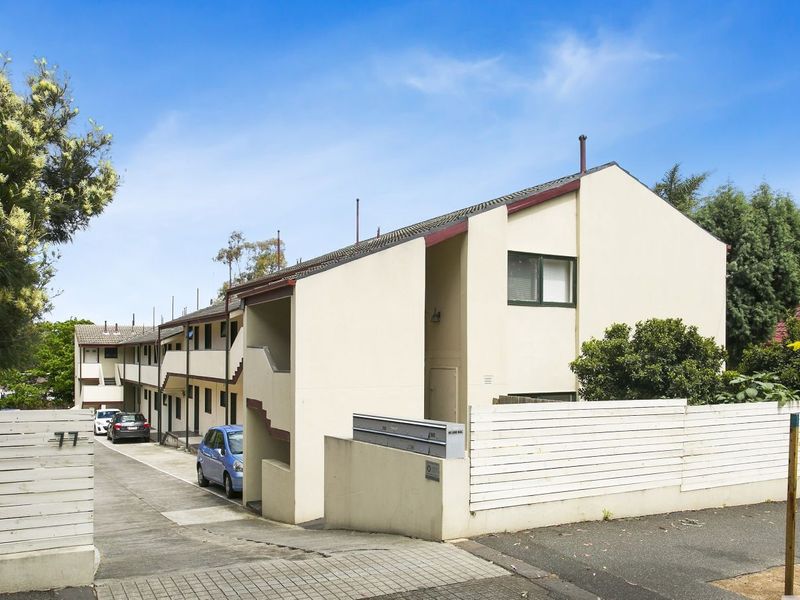
Negotiating with tenants has become the new norm in inner city areas. Picture: realestate.com.au/rent
“Some of my team members have got 10 vacates coming up,” she said.
With this increase in listings and without nearly as much demand, Ms Saldatos said they have found themselves heavily negotiating to try to keep tenants in a property.
“Tenants are seeing that and know they can get properties for $50-$100 cheaper, so we’re trying to convince owners that they’ve got really good tenants who are maintaining the property and we don’t want to see them go,” Ms Soldatos said.
“It’s about convincing the owners that even if they take a $50 a week rent reduction, they’ll still be in a better position than having a property sitting vacant, trying to lease it out, paying advertising, letting fees.
“We’re trying to find a happy medium between tenants and landlords, because many properties are out there at the moment that are cheaper and tenants think it’s an easy way out. It’s about negotiating, a lot of negotiating with owners to drop rents so they don’t lose tenants.”
They are becoming mobile agents
COVID-19 has had a devastating impact on many industries, many of which have had to shut down. But the real estate sector has had to push past the hurdles brought on by the pandemic as it is classed as an essential service.
Many real estate agencies have closed shop with employees forced to work from home instead, and property managers are no exception.
Inspections are still going ahead but they are now being done via private appointments or virtually, particularly in Victoria, creating a new challenge for property managers.
Terri Keskinen, head of property management at Code Property Group, said COVID-19 has really pushed herself and her team to becoming completely mobile and paperless, which she says is an exciting prospect for the future.
“We had to change our systems and our processes, because property management is traditionally a paper nightmare,” she said.
“We have always prided ourselves on being a paperless office, but COVID gave us the kick to realise we still actually do use paper. We are now 100% paperless in our office… that was our biggest change in that we converted everything to online.”
Ms Keskinen’s team also embraced digital inspections to showcase rentals and saw top results.
“Our leasing girls adapted so much quicker than we ever thought, they jumped on with 360 degree cameras, video walk throughs, Facetiming – they just flew out the door, we were renting an average of 10 properties a week,” she said.
“I think for everyone in my office, they’ve just absolutely embraced change, they’ve adapted, they’ve grown, because it was a matter of sink or swim.”
What does the future have in store for property managers?
While in some states, restrictions are easing, in others including Victoria, strict lockdown laws are back in place.
Despite the latest federal government stimulus announcement that JobKeeper and JobSeeker wage supplements will be extended at a reduced level until March 2021, the prospects for the rental market will look much the same as it has over the last few months.
Property managers know that they must continue to push through this difficult time to support the rental market, using their new skills to ensure tenants and landlords remain happy.

Property managers will continue to deal with a difficult rental climate amid COVID-19. Picture: Getty
“This isn’t a short-term issue, it’s going to be a long-term issue and in order to stand out, the property managers and the companies, the real estate agencies, will have to be really proactive in negotiating, providing some rent relief and maintaining the tenants they have,” said Ms Soldatos.
“Not just being reactive but proactive, [that is] contacting owners now more than ever. I’ve really pushed the team to start calling the owners and find out how they’re going so they don’t think we’re just a person behind a screen. We need to give them the heads up about what’s happening and what we have to do.”
Note: The headline of this story has been updated since publication to better reflect the tone of the article.
The post Industry reflects on National Property Manager’s Day appeared first on realestate.com.au.

Property managers around the country will be using National Property Manager’s Day on 24 July to mark one of their most challenging years yet.
The coronavirus pandemic has put immense pressure on the rental market and property managers have pivoted quickly to handle legislative changes to tenancy acts, rent negotiations between tenants and landlords and larger portfolios than they may have previously had – all of this while working completely mobile and paperless.
By going above and beyond their job descriptions, these real estate professionals have helped keep many Australian tenants in a home and ensured landlords are able to continue paying off their mortgages.
Leah Calnan, president of Real Estate Institute of Victoria, said property managers deserve to be celebrated because “they are the conduit in every tenancy.”
“They manage the difficult conversations, they deal with the issues, they provide support to both parties at different times and they need to have an understanding of legislation, maintenance, finances and social work,” Ms Calnan said.
The future for property managers continues to look like it has over the past few months, however, most have found themselves adapting to a new norm.
They have supported emotional clients
There is no denying that most Australians are going through a highly emotional time, in fact, Lifeline Australia experienced a 25% increase in calls for help in March 2020 compared to the same time last year, with the majority of callers wanting to talk about COVID-19.
The home is a very important part of our lives so when something threatens that, it impacts emotions.
With many individuals being stood down from jobs due to lockdown laws, there has been a surplus of tenants and landlords who have found themselves in financial hardship.
For tenants, this means they struggle to pay the rent and bills, and for many landlords, mortgage repayments have become a struggle.

Property managers have found themselves dealing with highly emotional tenants and landlords. Picture: realestate.com.au/rent
Amy Sanderson, network head of property investment management for LJ Hooker, said herself and her team have dealt with many distressed tenants and landlords during the health crisis, and have become more resilient as a result.
“Everyone has been emotional and when people are emotional they don’t necessarily respond to things, they react to things,” she said. “When people react, it’s not always in the best light and property managers have done a great job in dealing with that.”
Ms Sanderson explained that at the beginning of COVID-19, it was difficult to keep on top of all the changes to legislation across all states and territories. She said her team would receive calls from tenants and landlords asking questions that they didn’t yet know the answer to.
“Tenants were abusing us and we couldn’t give answers, we were too nervous to give answers, because if we gave answers and new legislation came out, we would be locked in to something that wasn’t right, we needed the certainty and clarity to know what we were talking about.
“And that’s where the property managers have had to be really strong, because they get blamed for a lot on social media, and it’s not necessarily within their control, they’ve had to have broad shoulders,” Ms Sanderson said.
They have become highly skilled negotiators
Not only did new COVID-19 tenancy legislation mean property managers had to wrap their heads around what now applied to the rental industry, but many saw an increase in listings added to their portfolios.
This was especially true for property managers working in inner-city markets.
Georgia Soldatos, team leader and accountability manager at Belle Property Management, manages properties in North Melbourne and Carlton.
With less demand from international students due to border closures and an increase in short-term listings converting to residential listings, Ms Soldatos and her team have been managing more properties that they are used to.
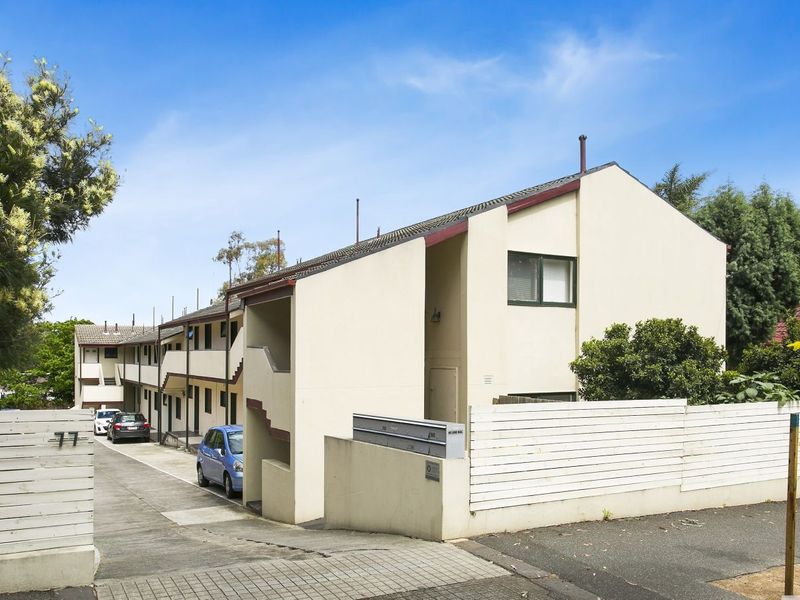
Negotiating with tenants has become the new norm in inner city areas. Picture: realestate.com.au/rent
“Some of my team members have got 10 vacates coming up,” she said.
With this increase in listings and without nearly as much demand, Ms Saldatos said they have found themselves heavily negotiating to try to keep tenants in a property.
“Tenants are seeing that and know they can get properties for $50-$100 cheaper, so we’re trying to convince owners that they’ve got really good tenants who are maintaining the property and we don’t want to see them go,” Ms Soldatos said.
“It’s about convincing the owners that even if they take a $50 a week rent reduction, they’ll still be in a better position than having a property sitting vacant, trying to lease it out, paying advertising, letting fees.
“We’re trying to find a happy medium between tenants and landlords, because many properties are out there at the moment that are cheaper and tenants think it’s an easy way out. It’s about negotiating, a lot of negotiating with owners to drop rents so they don’t lose tenants.”
They are becoming mobile agents
COVID-19 has had a devastating impact on many industries, many of which have had to shut down. But the real estate sector has had to push past the hurdles brought on by the pandemic as it is classed as an essential service.
Many real estate agencies have closed shop with employees forced to work from home instead, and property managers are no exception.
Inspections are still going ahead but they are now being done via private appointments or virtually, particularly in Victoria, creating a new challenge for property managers.
Terri Keskinen, head of property management at Code Property Group, said COVID-19 has really pushed herself and her team to becoming completely mobile and paperless, which she says is an exciting prospect for the future.
“We had to change our systems and our processes, because property management is traditionally a paper nightmare,” she said.
“We have always prided ourselves on being a paperless office, but COVID gave us the kick to realise we still actually do use paper. We are now 100% paperless in our office… that was our biggest change in that we converted everything to online.”
Ms Keskinen’s team also embraced digital inspections to showcase rentals and saw top results.
“Our leasing girls adapted so much quicker than we ever thought, they jumped on with 360 degree cameras, video walk throughs, Facetiming – they just flew out the door, we were renting an average of 10 properties a week,” she said.
“I think for everyone in my office, they’ve just absolutely embraced change, they’ve adapted, they’ve grown, because it was a matter of sink or swim.”
What does the future have in store for property managers?
While in some states, restrictions are easing, in others including Victoria, strict lockdown laws are back in place.
Despite the latest federal government stimulus announcement that JobKeeper and JobSeeker wage supplements will be extended at a reduced level until March 2021, the prospects for the rental market will look much the same as it has over the last few months.
Property managers know that they must continue to push through this difficult time to support the rental market, using their new skills to ensure tenants and landlords remain happy.

Property managers will continue to deal with a difficult rental climate amid COVID-19. Picture: Getty
“This isn’t a short-term issue, it’s going to be a long-term issue and in order to stand out, the property managers and the companies, the real estate agencies, will have to be really proactive in negotiating, providing some rent relief and maintaining the tenants they have,” said Ms Soldatos.
“Not just being reactive but proactive, [that is] contacting owners now more than ever. I’ve really pushed the team to start calling the owners and find out how they’re going so they don’t think we’re just a person behind a screen. We need to give them the heads up about what’s happening and what we have to do.”
The post Property managers the unsung heroes of real estate during COVID-19 appeared first on realestate.com.au.

While it’s still too soon to tell what impact COVID-19 is having on Australia’s new housing industry, data from the first quarter of 2020 suggests the sector was off to a good start pre-pandemic.
The latest building activity data from the Australian Bureau of Statistics (ABS) shows dwelling commencements and the number of dwellings under construction lifted over the March quarter compared to the end of 2019, and reflected no shudders when COVID-19 lockdowns began in mid-March.
Meanwhile, the number of dwelling completions dropped compared to the previous quarter, with the fall likely driven by the enormous number of new homes under construction across the country.
These figures mark a positive start to the year for the housing industry, and while only time will tell how the sector has fared amid the health crisis, it’s expected the new HomeBuilder scheme, announced in June, will help turn the sod on more new housing in the second half of 2020.
New construction increased while completions fell
Over the March 2020 quarter, there were 44,434 dwelling commencements nationally, which was 3.8% higher than the previous quarter. However, these figures reflect a -1.6% drop in new construction compared to the same time last year and a -27.7% slump from the peak in March 2016.

The number of new housing commencements increased by 3.8% in Q1 2020 compared to Q4 2019. Picture: Getty.
Nevertheless, house commencements held up stronger than units falling -15.2% from the peak in March 2018, while unit commencements dropped -42.2% from the peak in March 2016.
While new housing commencements rose over the first quarter of 2020 compared to the previous quarter, the number of properties completed dropped across the board. There were 47,573 completions over the March quarter, -5.2% fewer than the previous quarter, -10.4% down on the same time last year and -18.9% lower than the peak in December 2016.
Similar to commencements, new housing completions fell by -14.4%, but houses fared better than units over the quarter, which experienced a -28.8% drop in completions.
Number of homes under construction bigger than the 20-year average
At the end of March 2020, there were 189,247 dwellings under construction across Australia. If that sounds like a large number, it is. The 20-year average for the number of dwellings under construction is 145,817.

There were 189,247 dwellings under construction at the end of the March quarter, surpassing the 20-year average of 145,817. Picture: Getty.
The heightened volume of units under construction across the country is a major driver of this construction boom, with 57,149 new houses, 130,687 new units and 1,411 non-new dwellings under construction at the end of the March 2020 quarter.
Of the new units under construction, 39.3% were in New South Wales and 35.4% were in Victoria.
What’s the outlook for new housing post-COVID-19?
The longer-term outlook for new housing commencements is positive following the introduction of the federal government’s HomeBuilder scheme.
While new housing commencements could fall next quarter due to lower consumer confidence after lockdown 2.0 in Victoria, the stimulus package will likely cause a rebound over the final two quarters of 2020. This would mostly be driven by new houses rather than new units, which may be challenged by some of the eligibility rules around HomeBuilder.
Completions, on the other hand, can be a bit lumpy, especially given that such a high volume of units remain under construction. However, new housing completions will likely remain relatively high over the coming quarters given this large volume of stock under construction.
Unit developments come in a variety of shapes and sizes so they can take 12 months to be completed or they can take many years. Given this, the volume of dwellings under construction is likely to moderate over the coming quarters but is expected to remain elevated, particularly in New South Wales and Victoria.
The post Strong Q1 results for new housing as industry holds out hope for HomeBuilder appeared first on realestate.com.au.